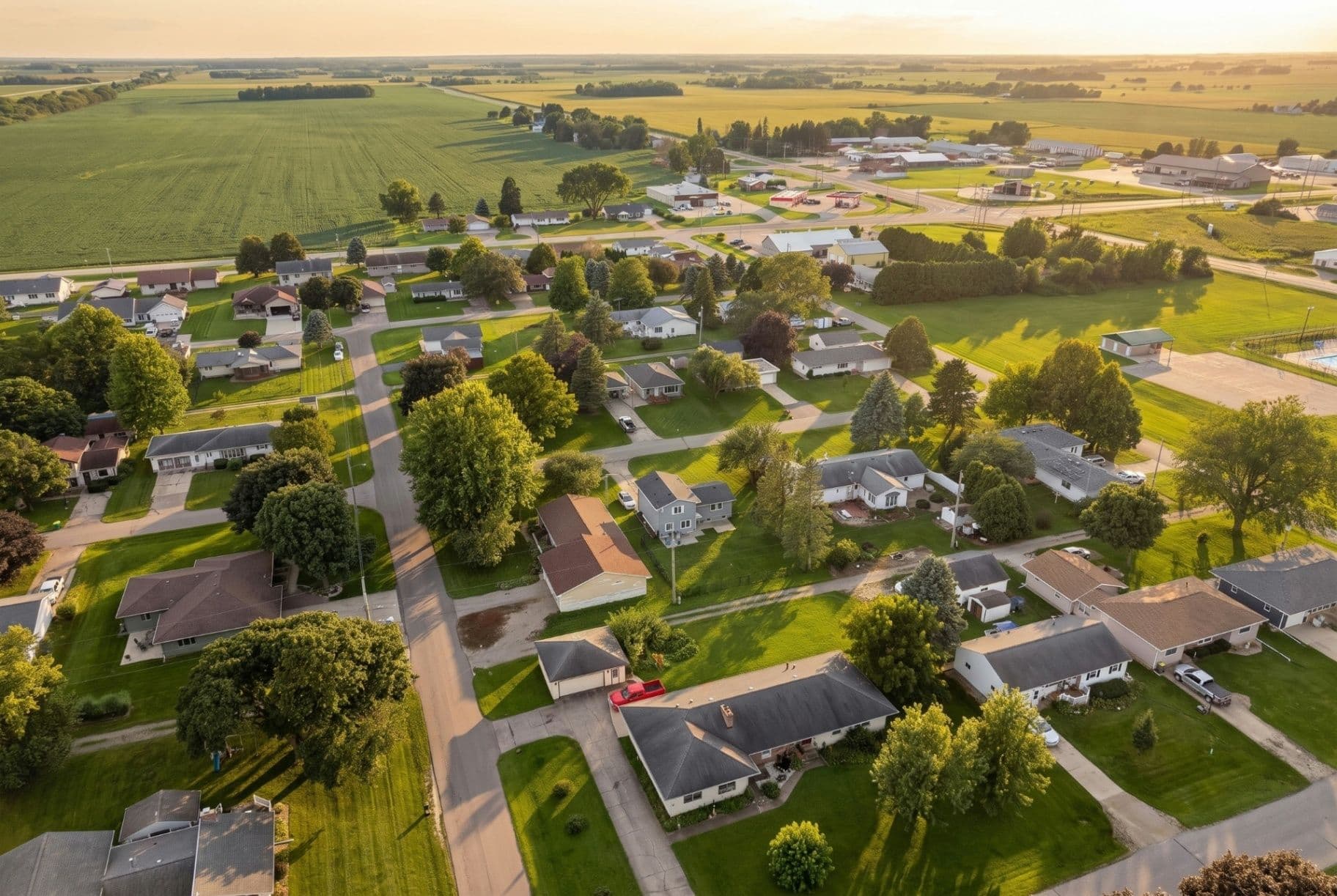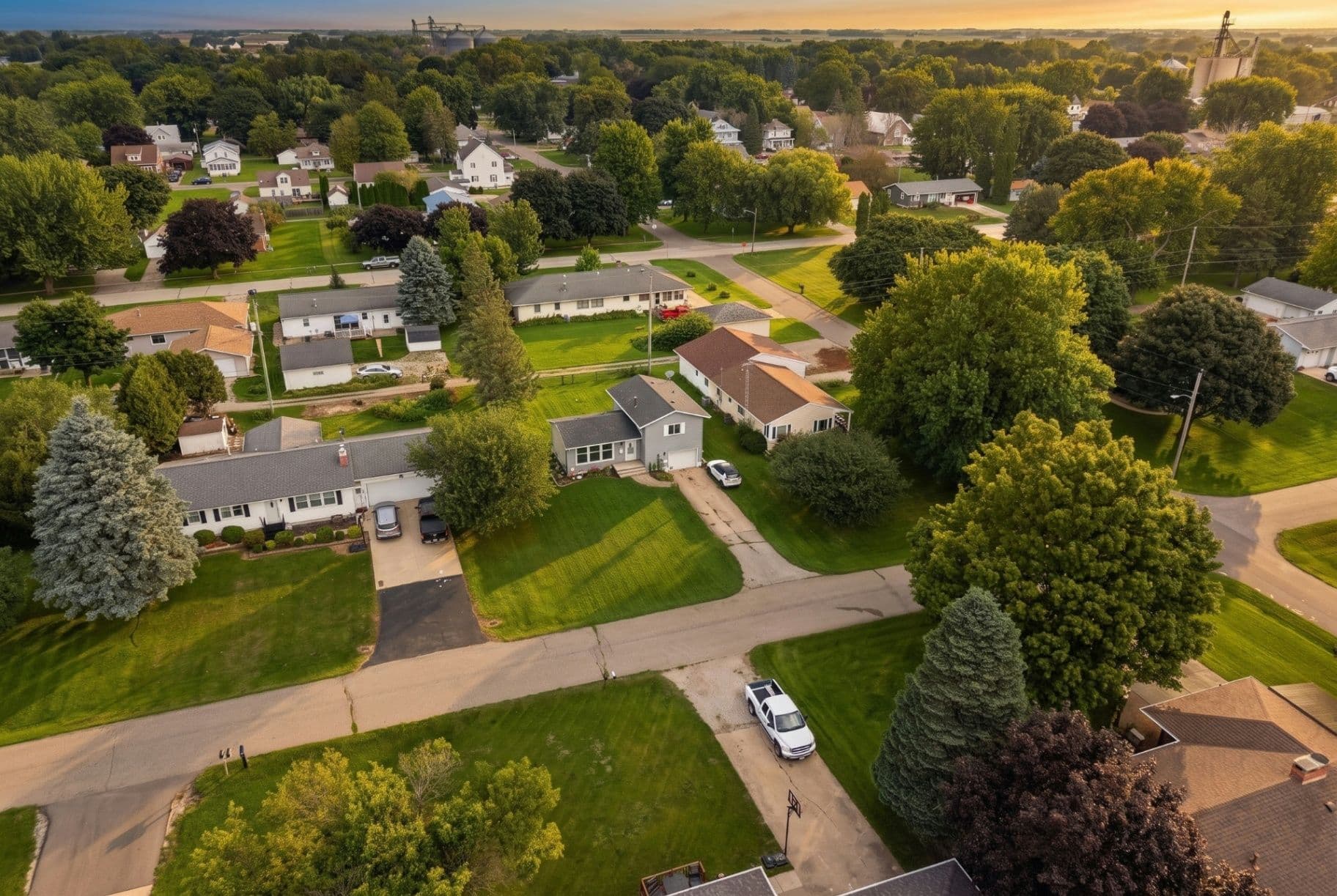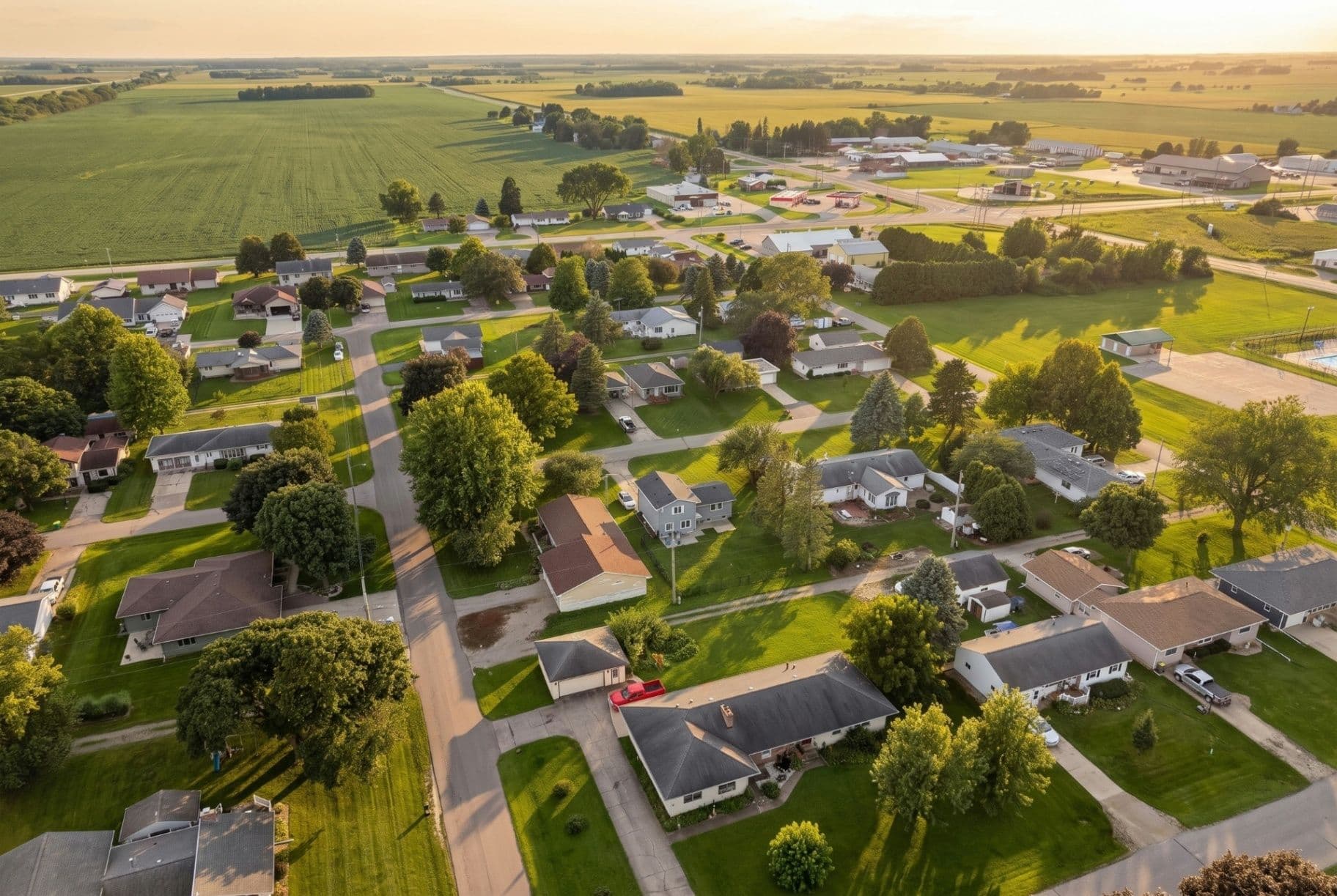
People often think of Clear Lake real estate as a summer story: boats at the docks, busy beaches, full patios, and buyers trying to find a home before the Fourth of July crowds arrive.
But Clear Lake is more than a summer destination. Fall and winter reveal a quieter, more practical side of the community, and for prepared buyers, that quieter season can create a real advantage.
I’ve always liked seeing Clear Lake after the summer rush. The lake settles down. The streets feel more open. You can hear the wind move through the trees, and you get a better sense of how a home and neighborhood actually function when life is happening at its normal pace.
That matters when you’re making one of the biggest purchases of your life.
The market gives buyers room to breathe
The current Clear Lake market is giving buyers more breathing room than they’ve had in recent years. Inventory is meaningfully higher than it was a year ago. Homes are averaging roughly 68 days on the market, and properties are selling for about 97% of asking price.
Those numbers don’t mean every home is a bargain, and desirable properties can still attract attention. Location, condition, lake access, and pricing all matter. But the overall picture is more balanced, and that changes the conversation.
You may have time to compare two or three homes instead of racing toward the first one that looks close. You may be able to ask better questions, complete a thorough inspection, and negotiate based on the property’s actual condition rather than fear of losing it to five other offers.
That is the first off-season advantage: less pressure can lead to better decisions.
For broader statewide context, the Iowa REALTORS® housing statistics page is a helpful place to follow inventory and market trends as the season changes.
Fewer competing buyers, more focused opportunities
Summer brings plenty of energy to Clear Lake. It also brings more people looking for vacation homes, lake properties, investment opportunities, and a place to settle before school starts.
By fall, many casual shoppers have stepped away. Some buyers are waiting for spring. Others have decided to rent for another year. The people still touring homes are often more focused, and that can reduce the intensity of competition.
This doesn’t guarantee that you’ll be the only buyer interested in a property. It does mean you may have a better chance to:
- See a home before an offer is accepted
- Take time to review disclosures and documents
- Include reasonable inspection terms
- Negotiate repairs or closing costs
- Ask the seller for a timeline that fits your move
- Avoid making a rushed decision based only on emotion
A strong buyer still needs to be prepared. Getting pre-approved, understanding your comfortable monthly payment, and knowing your must-haves are important in every season. My Clear Lake buyer guide walks through those early steps, from financing and touring to inspections and closing.
Preparation is what turns a slower market into leverage.
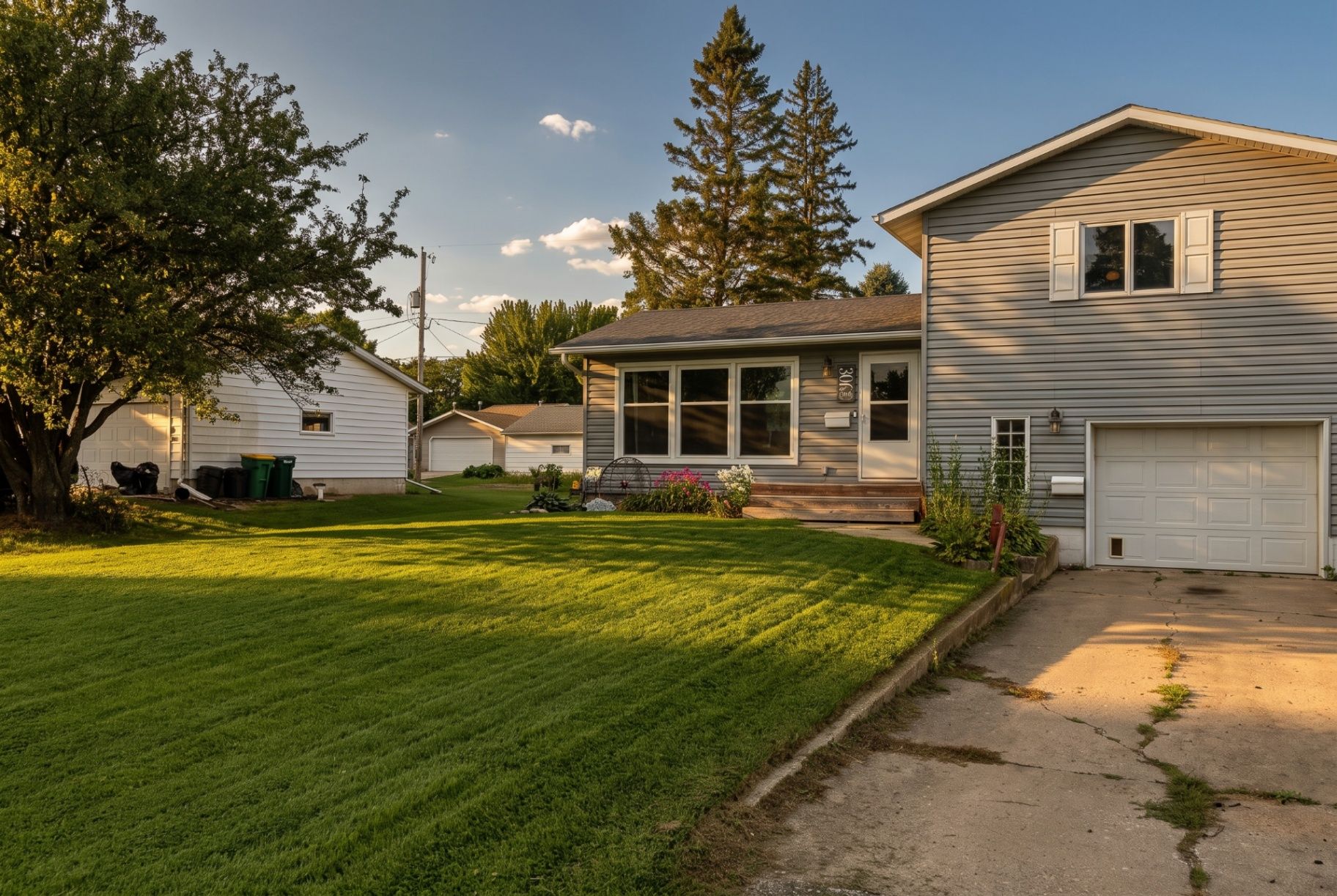
Motivated sellers may be more open to terms
A home that has been listed for several weeks, or several months, deserves a closer look, not an automatic dismissal.
Sometimes a longer market time points to a problem with the property. Sometimes it reflects a seller who started too high, a home that needs cosmetic updates, or a buyer pool that simply shrank as summer ended. The important thing is to understand the reason.
In the off-season, sellers may be more willing to discuss details beyond the purchase price. That could include:
- A credit toward closing costs
- Repairs identified during inspection
- A flexible closing date
- Possession timing
- Personal property that might otherwise be removed
- A price adjustment based on current market evidence
The goal isn’t to “win” by asking for everything. A fair offer supported by local comparable sales and a clear understanding of the home is more useful than an aggressive offer that damages the relationship.
I think of negotiation as finding the point where both sides can move forward with confidence. That is especially important in a smaller community, where relationships matter and your agent should be helping you make a sound decision, not simply pushing you toward a transaction.
Fall scheduling can make due diligence easier
One practical benefit of buying between fall and winter is that local professionals may have more availability than they do during the busiest spring and summer months.
Inspectors, lenders, contractors, surveyors, and other specialists can still be busy, but scheduling may be easier when fewer transactions are competing for the same appointments. That gives you more time to investigate the property before winter weather makes certain work difficult.
You may be able to arrange:
- A thorough general home inspection
- A sewer or septic inspection
- A well-water test, if applicable
- A radon test
- A chimney or fireplace inspection
- A roof evaluation
- HVAC service records or a heating-system check
- Estimates from local contractors
This is where the slower pace becomes valuable. You can stand in the basement for an extra few minutes. You can look carefully at the foundation walls, smell for moisture, and ask how water moves around the property after heavy rain.
You can also ask local contractors what they see in the home without trying to schedule every repair during the same hectic summer window.
The fall and winter home-buying checklist
A house can look comfortable on a sunny August afternoon. Fall and winter help you understand how it performs when Clear Lake weather becomes less forgiving.
Here are the items I encourage buyers to examine closely.
Heating system
Ask about the age, service history, and fuel source of the furnace or boiler. During a showing, pay attention to how evenly the home feels heated. Are some rooms noticeably colder? Does the system start and stop normally? An HVAC professional can provide a more complete assessment.
Insulation and windows
Check attic insulation where accessible, look for drafts around windows and doors, and ask about energy improvements. Older homes can have plenty of charm, but winter utility costs are part of the real cost of ownership.
Roof and gutters
Look at the roof’s age and visible condition. Check for missing or damaged shingles, sagging areas, and signs of previous leaks in the attic or upper-level ceilings. Gutters and downspouts should move water away from the foundation.
Grading and drainage
Walk the property after rain if possible. Does water move away from the home, or does it collect near the foundation? Look for signs of erosion, standing water, damp basements, or sump-pump dependence. A beautiful yard in July can reveal a very different story after autumn rain or spring thaw.
Snow-load considerations
In Iowa, winter weather puts additional demands on roofs, gutters, driveways, decks, and outbuildings. Ask about the roof’s design and age, especially on garages, porches, additions, and detached structures. A qualified inspector can help identify concerns that are not obvious from the ground.
Well and septic systems
If you’re considering an acreage or a property outside the city system, include well and septic inspections in your planning. Test the water, review maintenance records, and confirm the age and condition of the septic system. These are not details to leave until the last week before closing.
The quiet-lake test
If you’re buying a lake home, vacation property, or residence near the water, visit when the lake is quieter.
Stand outside. Listen.
You’ll notice different traffic patterns, fewer boats, and a more peaceful shoreline. You may better understand the sounds of the neighborhood, the amount of wind exposure, the view after leaves fall, and how easy, or difficult, it is to access the property in colder weather.
Summer shows you the fun of a lake property. Fall and winter show you the everyday reality.
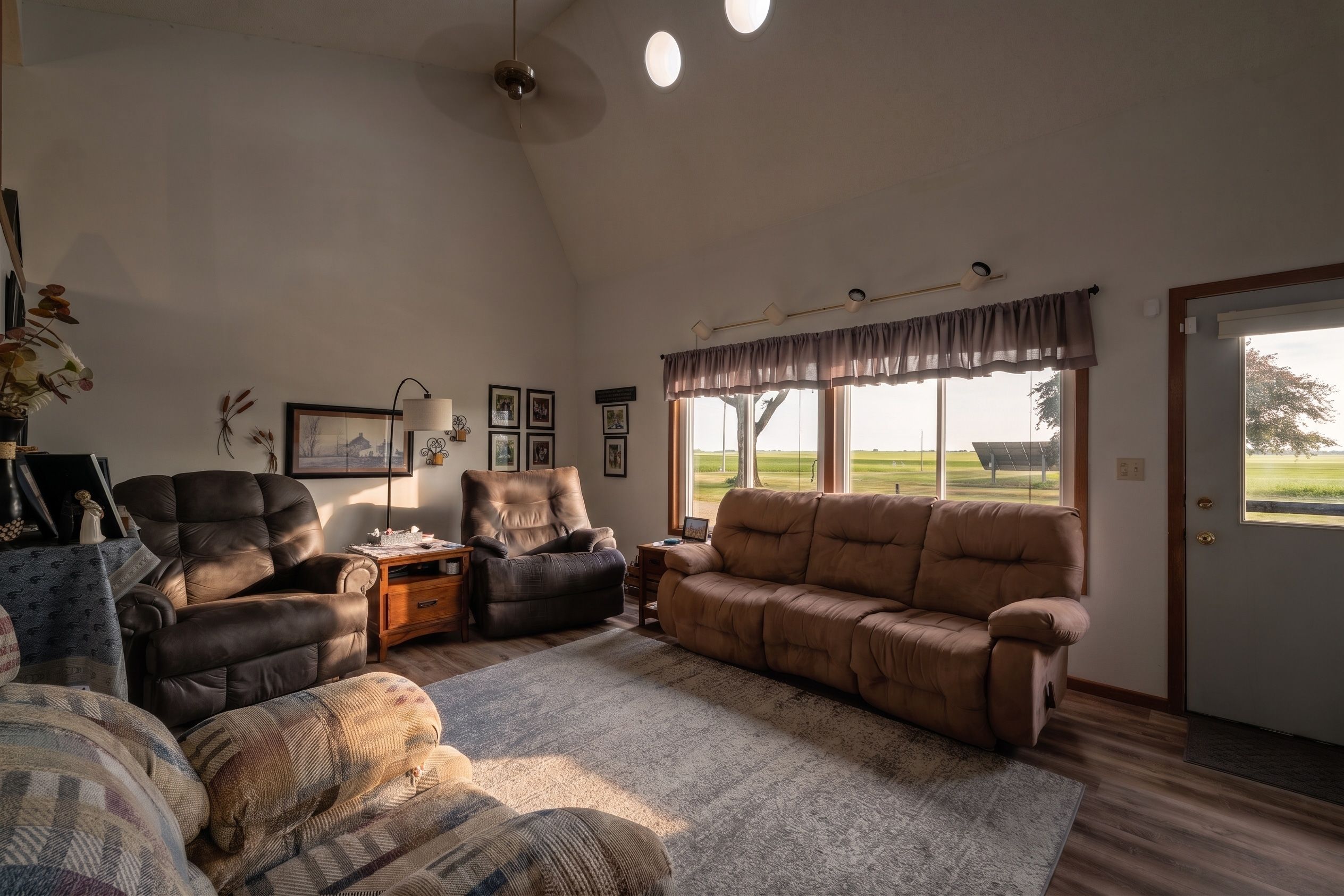
A quieter season can show you the real lifestyle
One of my favorite things about Clear Lake is that the community doesn’t disappear when the boats leave the water.
Fall brings crisp mornings, changing leaves, local events, and a slower rhythm. Winter brings its own traditions, from Christmas by the Lake to the Winter Dance Party and the familiar routines of ice, snow, and small-town life.
That continuity matters. If you’re buying a primary home, you want to know what the community feels like beyond the busiest months. If you’re buying a getaway, you want to decide whether the quieter season is part of the appeal, or something you would rather avoid.
The best property is not only the one that looks great in a listing photo. It is the one that still feels right when the grass is dormant, the docks are quiet, and the afternoon light disappears earlier.
The advantage belongs to prepared buyers
Fall and winter aren’t automatically the best time for every buyer. You still need the right financing, a realistic budget, and a home that fits your plans.
But in the current Clear Lake market, the off-season offers a useful combination: more inventory than last year, longer marketing times, fewer competing shoppers, more scheduling flexibility, and room to negotiate around a sale price that is averaging about 97% of asking.
That is not a promise of a perfect deal. It is an opportunity to look carefully.
If you’re thinking about buying in Clear Lake this fall or winter, I’d be glad to help you compare neighborhoods, understand the condition of a property, and build a plan that fits your timeline. Start with the buyer resources at Keys to Clear Lake, browse current Clear Lake listings, or contact me directly.
The lake may be quieter now. That doesn’t mean the opportunity is gone.
For the right buyer, it may be just beginning.