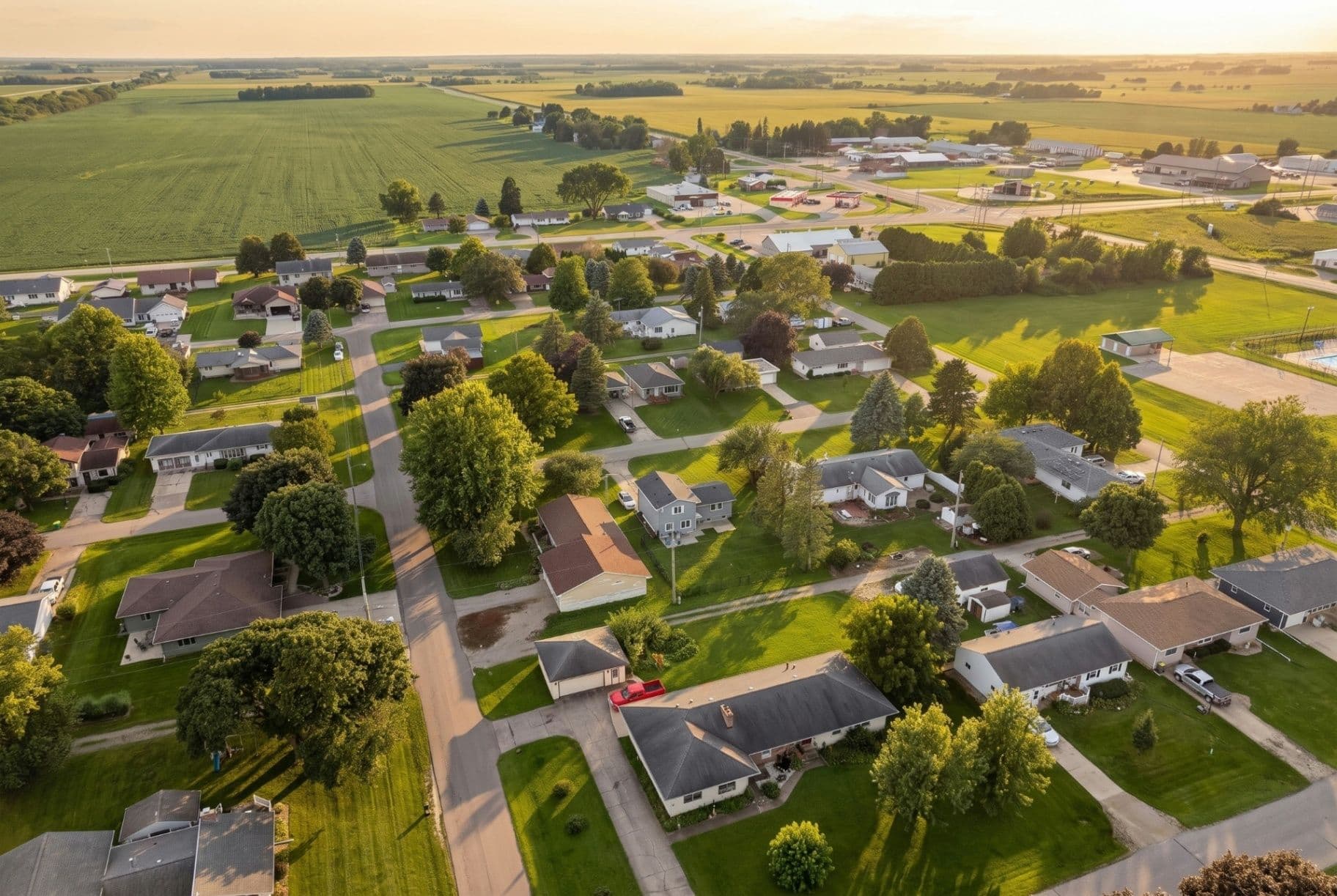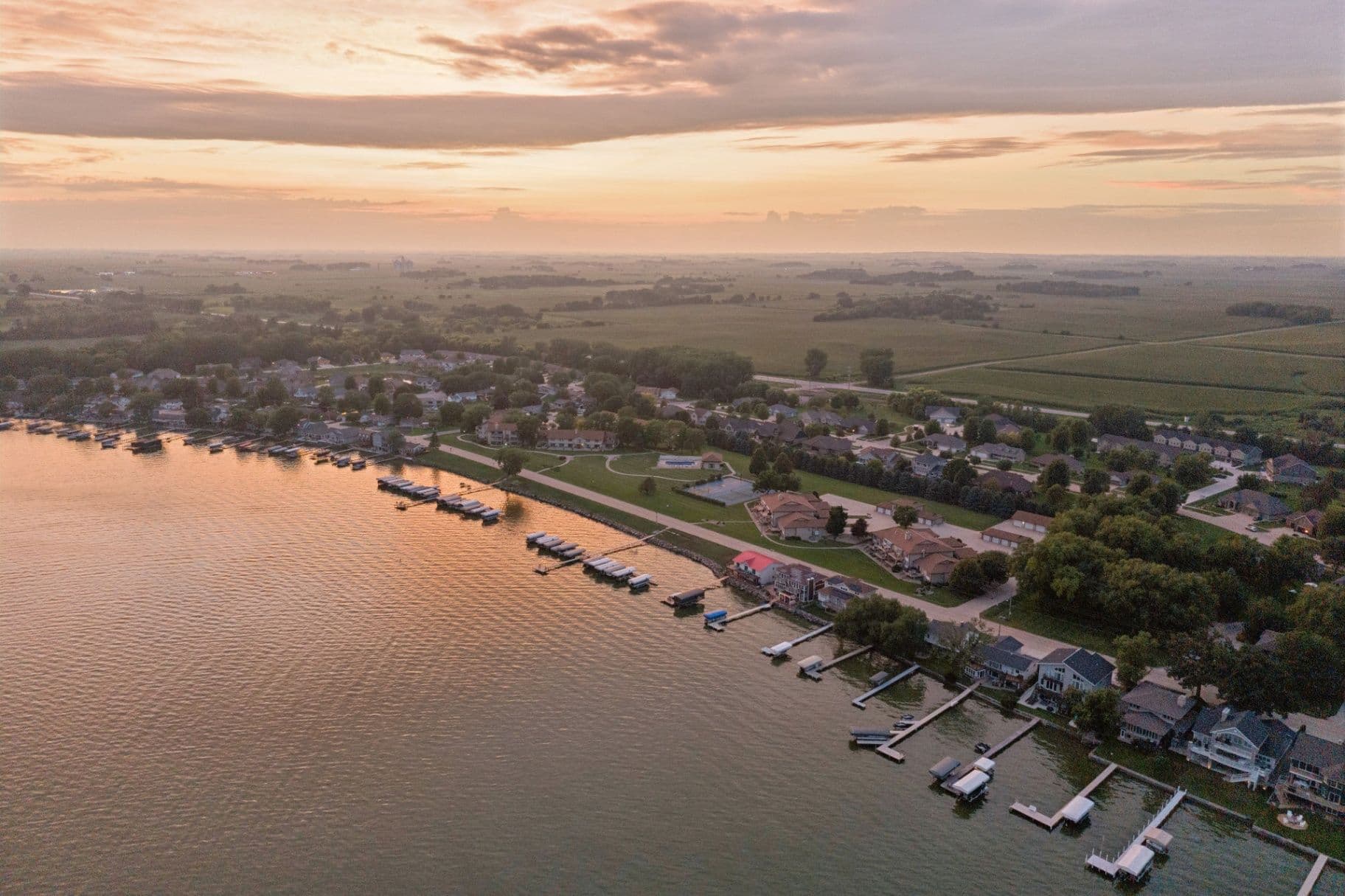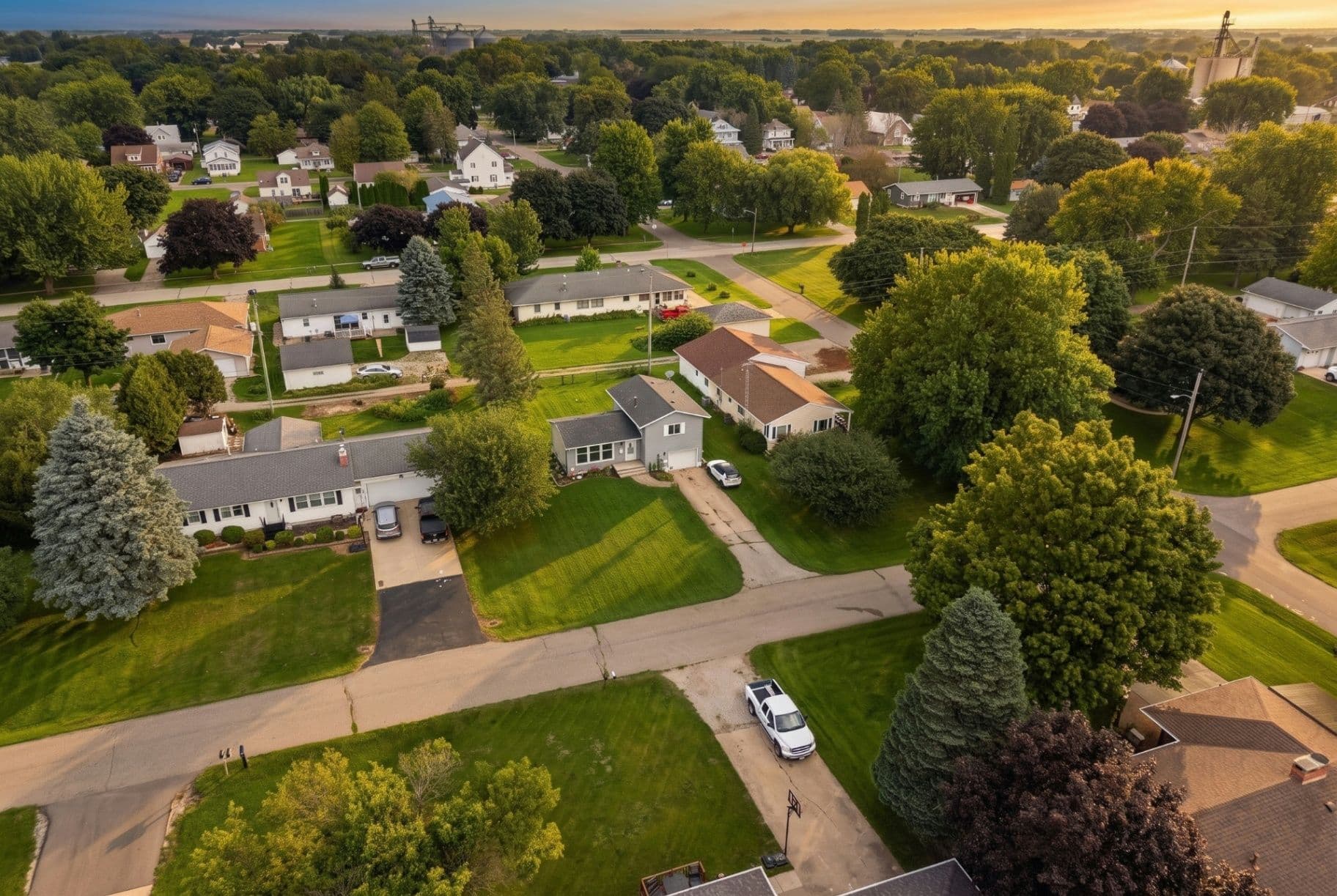
People often picture Clear Lake, Iowa as a summer place: boats on the water, music drifting from downtown, and families gathering at the beach. That picture is true: but Clear Lake is more than a seasonal destination. It is also a year-round community with established streets, newer residential settings, quiet edges, and homes that fit many different ways of living.
I’ve found that choosing among Clear Lake Iowa neighborhoods is less about finding the “best” area and more about finding the setting that supports your ordinary Tuesday. Where will you drive? How much outdoor space do you want? Do you want to walk toward the lake, or look out at an open stretch of sky? And how much summer activity feels lively to you before it starts feeling busy?
Here is how I recommend thinking through the options when comparing homes for sale in Clear Lake, Iowa.
Start with the life you want to live
Before comparing streets or home styles, I like to ask buyers to imagine a normal week.
Are you heading to work in Mason City? Walking a dog before breakfast? Taking children to school? Hosting family around a patio? Spending weekends on the lake? Looking for a home that is easy to maintain now and appealing to the next buyer later?
Those answers create a useful starting point. A home close to downtown may make errands and evenings out easier. A property on the edge of town may offer more space and less traffic. A lake-adjacent home may bring recreation closer, but it can also bring more visitors, maintenance questions, and seasonal noise.
There is no wrong answer. There is only the fit that makes sense for your priorities.
The heart of town: convenience and connection
In-town living is a natural choice for buyers who want everyday convenience. Depending on the address, you may be closer to downtown shops, restaurants, parks, community events, and the lakefront. You are also more likely to feel the rhythm of Clear Lake around you: neighbors walking, cyclists passing, and familiar faces appearing at local events.
That connection is part of the appeal.
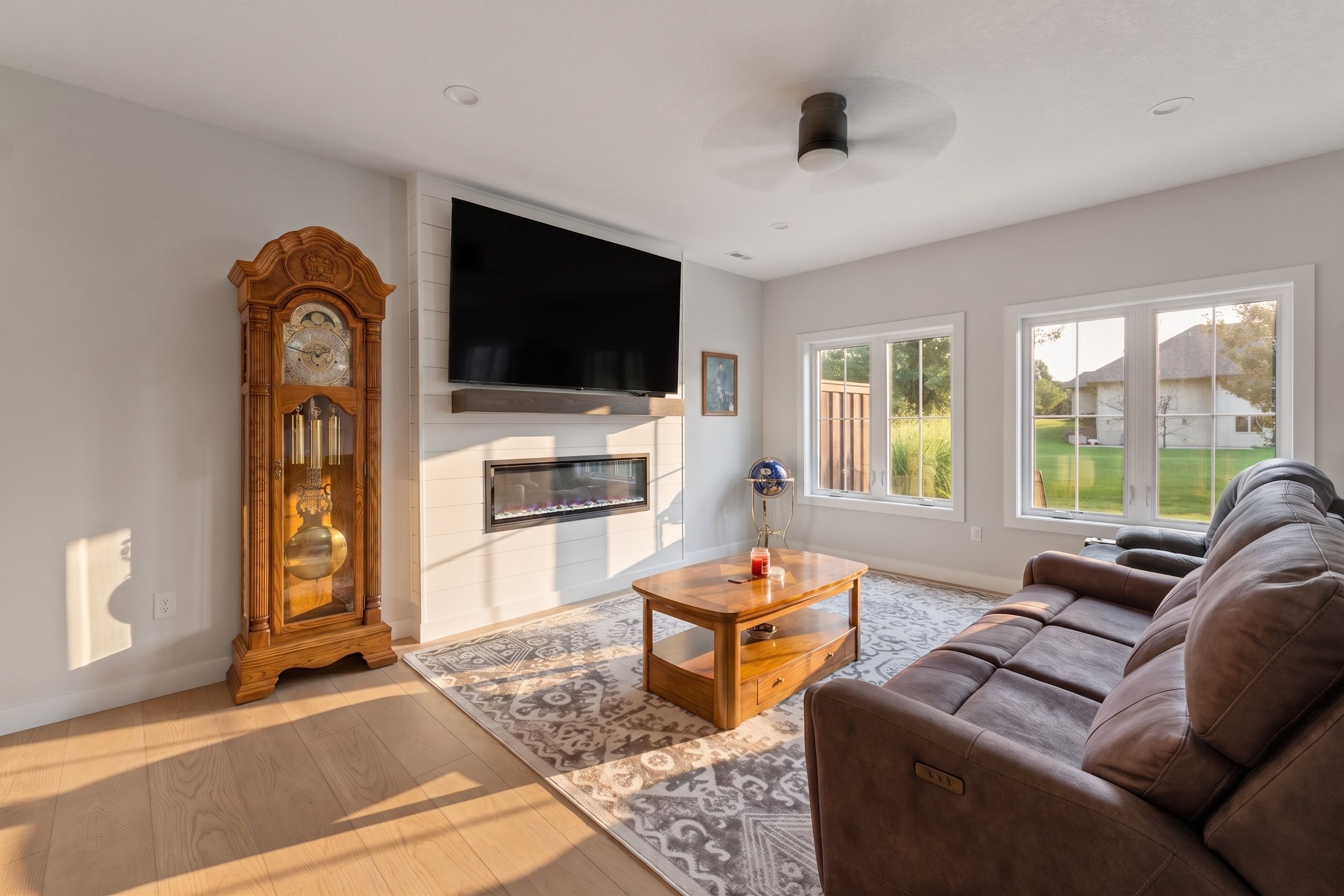
Older in-town homes can also bring details that are difficult to recreate: mature trees, established landscaping, front porches, original woodwork, and rooms with a sense of proportion. When I step into one of these homes, I often notice how the space feels before I notice the finishes. The floors may show a little history. The walls may hold layers of paint. The house feels lived in, not staged for a photograph.
For buyers, the trade-off may be a smaller lot, an older roof or mechanical system, or a layout that is less open than newer construction. That does not make the home a poor choice. It simply means the inspection and maintenance history deserve close attention.
For sellers, the same established character can be a genuine advantage. Buyers who want an in-town lifestyle are often looking for a home with warmth and location, not just the newest countertops.
Established streets: character at a human scale
Some Clear Lake buyers are drawn to established residential streets because they offer a settled feeling. Trees have had time to grow. Yards feel defined. The neighborhood has a visible history.
This is where I encourage buyers to slow down during a showing. Look beyond the living room. Notice how the street feels at different times of day. Is there space for a garden, play area, or backyard gathering? Does the garage work for your vehicles and equipment? Is the basement useful storage, future living space, or simply a project?
Here is a view of the kind of comfortable, practical interior many buyers hope to find when considering Clear Lake real estate:
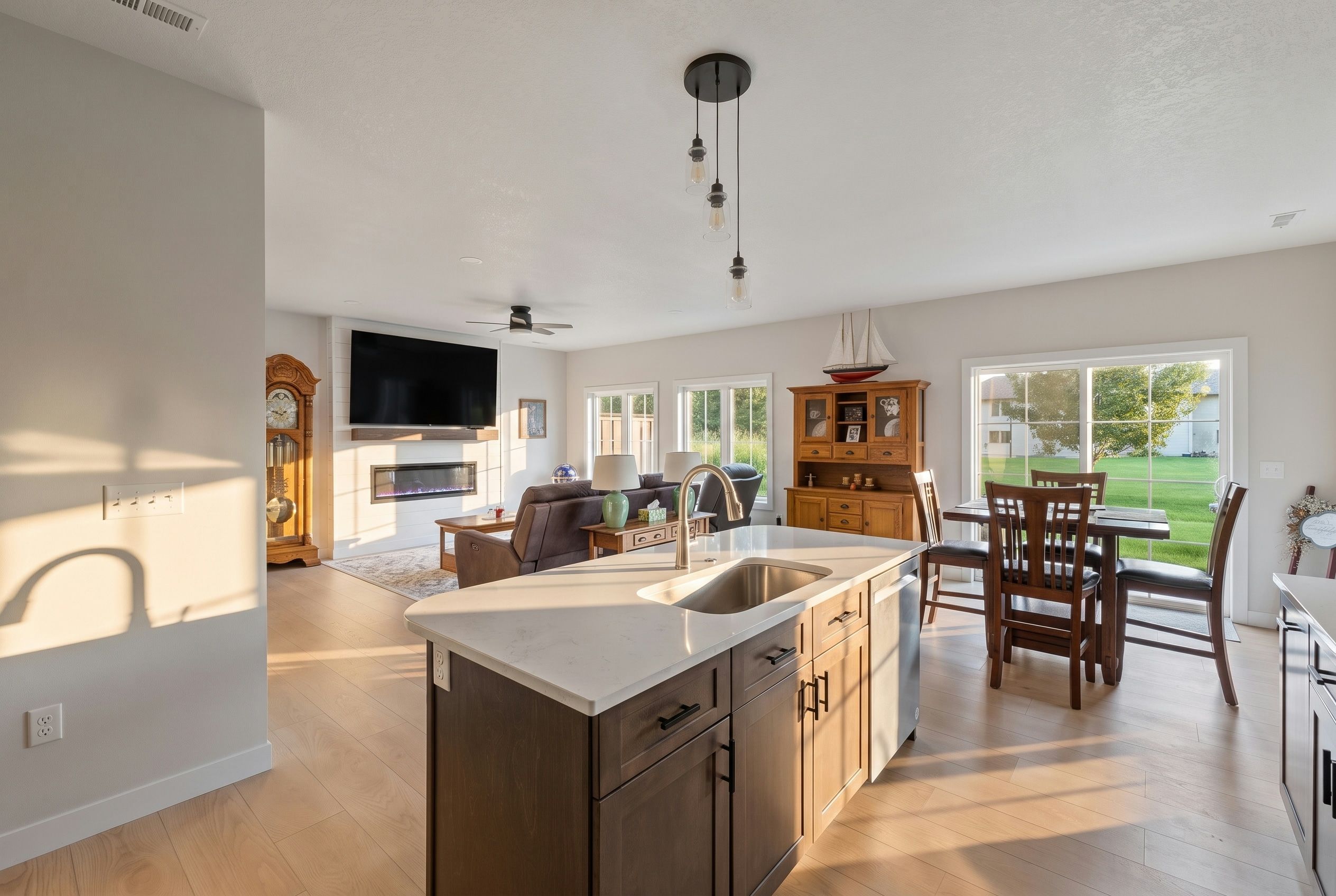
An established street can offer a strong balance: enough privacy to feel at home, while still keeping you connected to town. But every street: and every block: has its own personality. I would never want a buyer to rely only on a broad neighborhood label. We should look at the exact address, nearby traffic patterns, property condition, drainage, parking, and the features that matter most to you.
Near the water: a lifestyle with a calendar
Lake-adjacent living is one of Clear Lake’s strongest draws. Being near the water can change how you use your home. A morning walk becomes easier. Sunset may become part of your routine. A patio can turn into the center of summer gatherings, and a simple drive to the lake can feel like a daily reset.
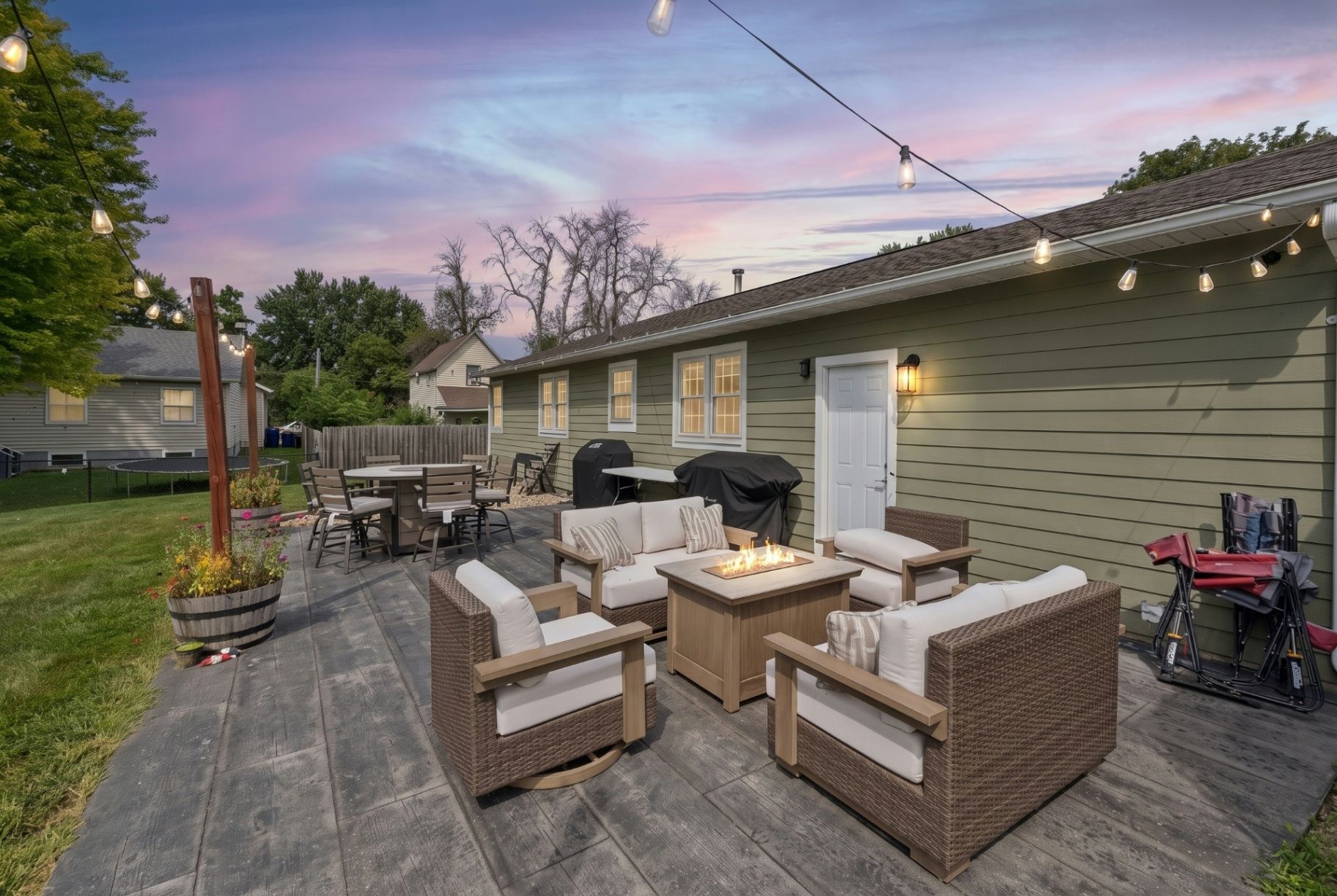
But living near Clear Lake also means understanding the seasonal calendar. Summer weekends, holidays, concerts, boating activity, and community events can bring more traffic and visitor activity near the lakefront and downtown. Some buyers love that energy. Others prefer to be close enough to enjoy it without being right in the middle of it.
There is also an important distinction between being near the lake and owning waterfront property. Ask what “lake access” actually means for a specific home. Is it a public beach nearby, a shared access point, a private dock, or simply a short drive? If a property touches the shoreline, we also need to discuss insurance, floodplain information, shoreline rules, dock rights, maintenance, and any permits that may apply.
For a deeper look at local beaches, parks, trails, and the practical differences between them, I recommend reading the Clear Lake beaches and parks guide.
Quieter edges: room to breathe
The residential edges of town and nearby rural settings can appeal to buyers who want more elbow room. You may find larger lots, open views, newer construction, or a greater sense of separation from downtown activity.
The view can be the first thing that catches you: fields stretching toward the horizon, evening light across a backyard, and fewer homes immediately beyond the fence. Then you notice the details. How long does it take to reach groceries? Who handles snow removal? Is the road maintained by the city or another authority? What internet, utility, and emergency services are available at the address?
Nearby communities and rural properties can also involve different school districts than homes within Clear Lake. School assignments and district boundaries should always be confirmed for the exact property rather than assumed from its mailing address or distance from town.
This setting may be a wonderful fit for someone who works from home, wants a workshop or garden, or simply values quiet. It may be less convenient for someone who wants to walk to restaurants, parks, or community events.
Compare the practical filters
When I help someone compare Clear Lake neighborhoods and nearby residential settings, these are the filters I keep returning to:
Priority Setting to consider Questions to ask In-town convenience Central or established residential areas How close are daily errands, parks, and downtown activities? Family routines A residential street or newer development What are the school assignments for this address? Is there room to grow? Lake recreation Lake-adjacent or south-shore settings Is access public, shared, private, or simply nearby? Quiet and space Town edges or nearby rural properties What are the drive times, utilities, road responsibilities, and internet options? Lower maintenance Smaller homes, twin homes, condos, or apartments What exterior work, association rules, or fees come with the property? Regional commuting Any setting near convenient routes How does the drive feel during winter weather and summer traffic?
Clear Lake sits along I-35, making regional travel straightforward. Mason City is nearby for larger medical facilities, shopping, and additional employment options. Still, I encourage buyers to drive their likely route at the time they would actually be commuting. A ten-minute estimate on a quiet afternoon does not tell the whole story.
For more relocation details, including transportation, healthcare, and schools, see the moving to Clear Lake guide.
Schools and outdoor space deserve an address-level look
Families should verify school assignments directly for every home they consider. The Clear Lake Community School District serves much of the local community, but nearby residential settings can involve different district boundaries. Lines do not always follow the simple pattern buyers expect, so confirmation is essential before writing an offer.
Outdoor access deserves the same careful look. Clear Lake offers beaches, parks, trails, playgrounds, sports facilities, and water recreation, but the right choice depends on how you plan to use them. A family with young children may value a nearby playground and splash pad. A cyclist may care more about trail connections. A dog owner may want a practical route to open space. A boater may be thinking about ramps, storage, and drive time rather than a walkable downtown.
The past and present meet here in a very active way. The lake is not simply scenery behind a house; it shapes weekends, friendships, events, and the way people spend time outdoors throughout the year. You can learn more about the area’s seasonal rhythm in Clear Lake through the year.
Think about resale before you fall in love
I want buyers to love their homes. I also want them to understand what they are buying.
Resale considerations do not mean reducing a home to numbers. They mean keeping your future options in view. Location, condition, functional layout, parking, storage, outdoor space, and reasonable access to schools, work, and recreation can all influence the next buyer’s decision.
Lake-adjacent homes may attract strong interest, but their ownership costs and property-specific considerations need to be clear. A quiet edge-of-town property may offer space, while a future buyer may place a higher value on convenience. An older home may have beautiful character, but deferred maintenance can affect both enjoyment and marketability.
The best purchase is usually not the home with the longest list of features. It is the home whose location, upkeep, and daily routine continue to make sense after the excitement of closing day fades.
Let’s find the setting that feels like yours
When you search for “Clear Lake Iowa real estate” or browse homes for sale in Clear Lake, Iowa, online listings can give you a helpful first impression. They cannot tell you everything about a street at 7:30 a.m., a summer Saturday, or a snowy February evening.
That is where local perspective matters.
I am happy to help you compare an established in-town street, a newer residential setting, a lake-adjacent property, or a quieter home beyond the busiest parts of town. We can verify school information, commute routes, outdoor access, property details, and the questions that are easy to overlook when a home simply feels right.
Start by browsing the current Clear Lake listings, or learn more about the Clear Lake buyer process. And if you are still figuring out what kind of setting fits, that is perfectly fine. We can begin with a conversation and take it one address at a time.