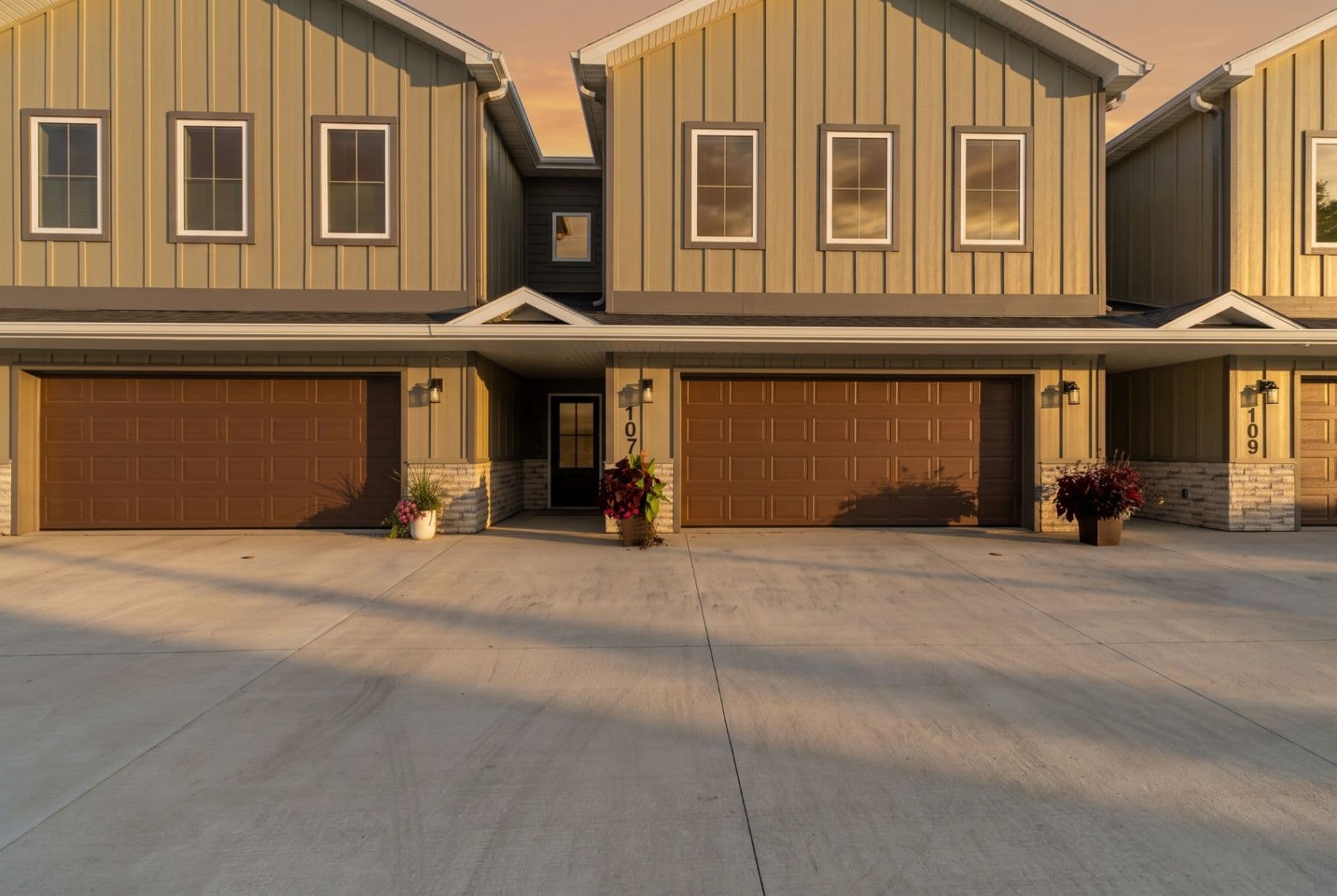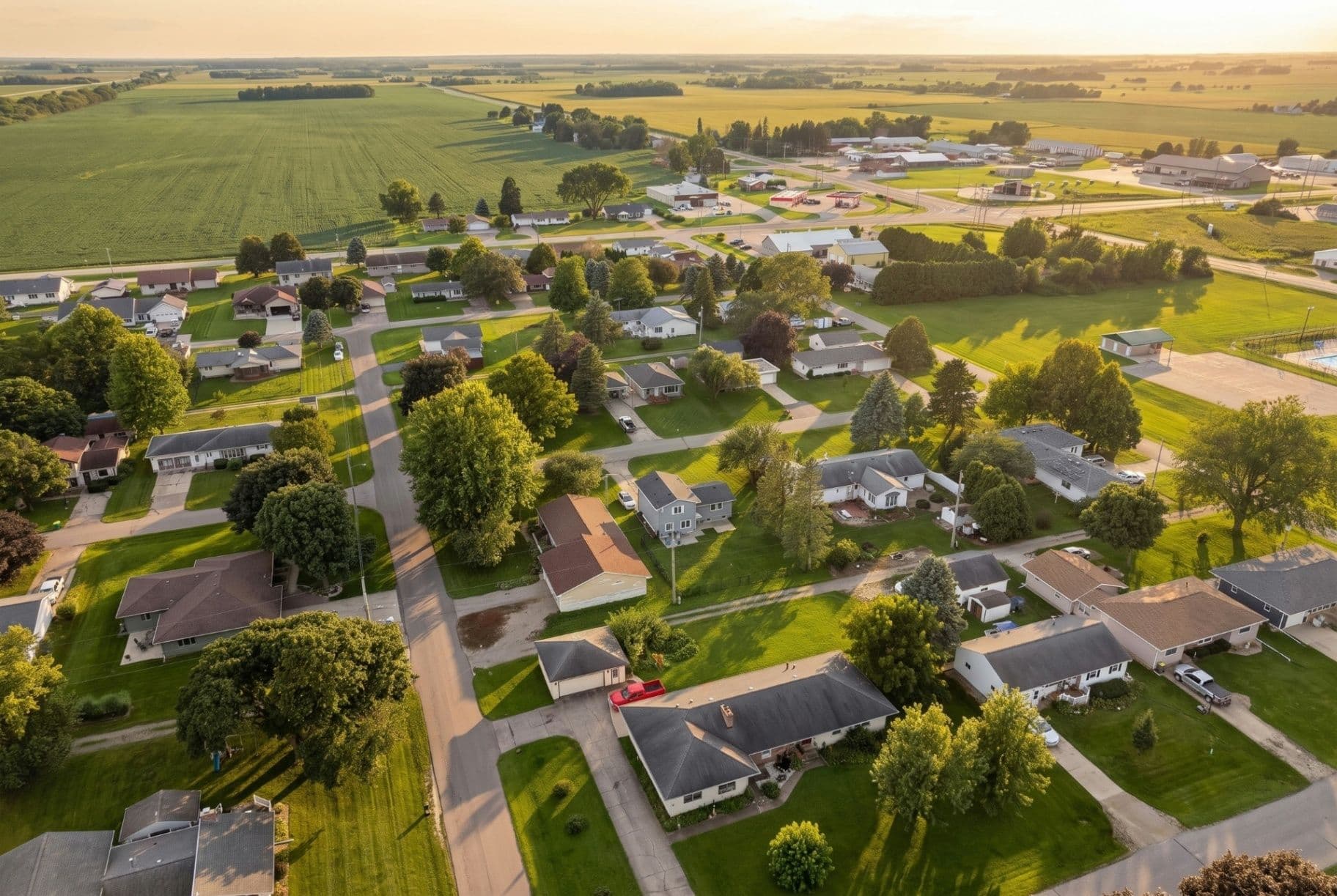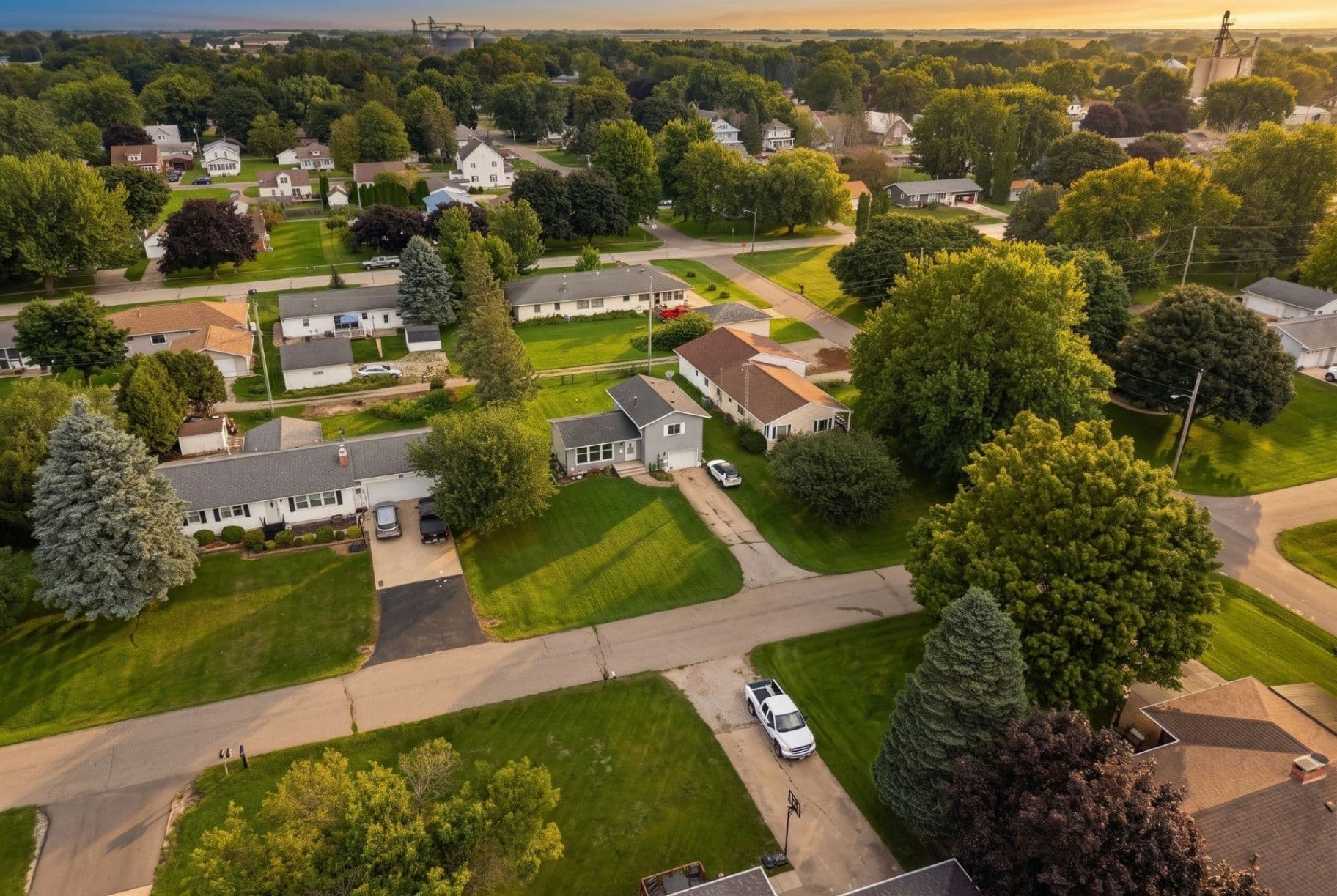
Clear Lake is often described as a seasonal market. People picture lakefront homes, summer visitors, boat docks, and buyers who begin looking when the weather warms.
But the local housing market is more than a summer snapshot. Behind every listing is a different story about price, condition, location, presentation, and the kind of buyer the home is waiting for.
As of September 2026, homes in ZIP code 50428 have a median of about 68 days on the market. That figure is down roughly 27% year over year, even as inventory has grown. There are approximately 147 active listings, up about 8.6% from last year, and the median listing price is near $443,000.
Those numbers give us a useful wide-angle view. They do not, by themselves, tell us whether one particular home is priced well or whether it is worth buying.
That is where days on market becomes more useful, and more interesting.
Source: Realtor.com’s current 50428 market summary. Market conditions change, and individual homes can perform very differently from ZIP-wide statistics.
The Clear Lake market in one glance
Here is the current snapshot for 50428:
- Median days on market: 68 days
- Year-over-year change in DOM: Down approximately 27.7%
- Active listings: About 147
- Year-over-year change in active listings: Up approximately 8.6%
- Median listing price: About $443,000
At first glance, those figures seem to pull in different directions. More homes are available, which gives buyers more choice. At the same time, the median listing is spending fewer days on the market than it did a year ago.
That is not necessarily a contradiction. Market data is a moving picture. New listings come on, accepted offers leave the active inventory, and individual price ranges can behave very differently from one another.
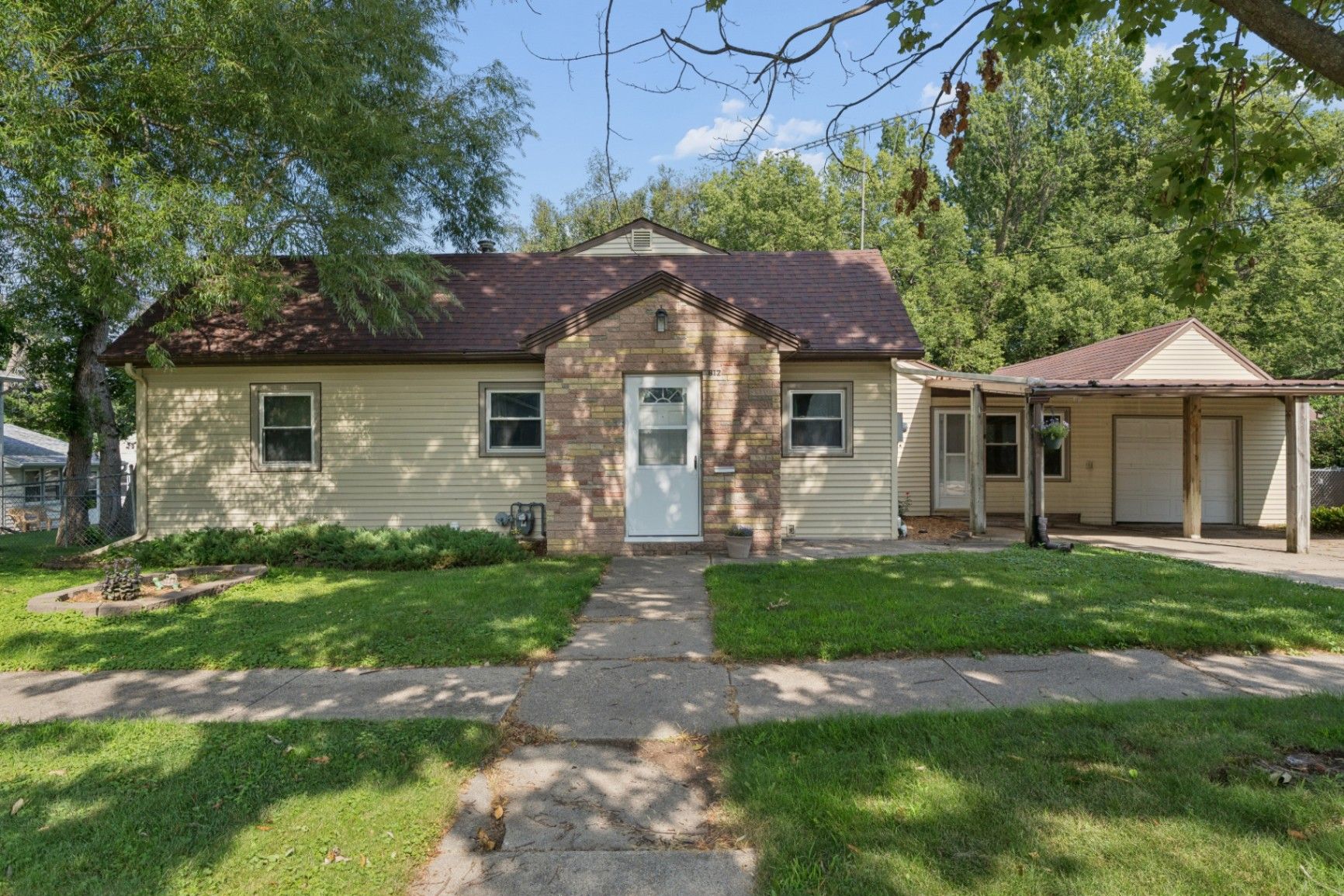
Clear Lake is not one single market. A modest in-town ranch, a duplex, a home near the lake, and a higher-end property with water access may all attract completely different buyers.
What days on market actually means
Days on market, often shortened to DOM, is a count of how long a home has been actively listed before it goes under contract, sells, or is otherwise removed from the market. The exact calculation can vary by data source and reporting period.
The current 68-day figure is a median, not an average.
That distinction matters. Imagine five homes with market times of 12, 31, 68, 91, and 180 days. The median is 68 because it is the middle number. It does not mean every home took 68 days to sell, and it does not mean a home reaching day 69 has somehow missed a deadline.
In practical terms, the number helps answer a broad question:
How quickly are homes moving across the market as a whole?
It does not answer the more specific questions buyers and sellers usually care about:
- Is this home priced correctly?
- Is the condition competitive?
- Has the seller already made a price adjustment?
- Are buyers responding to the listing?
- Does the property appeal to a narrow group?
- Is the current market time normal for this type of home?
For those answers, we have to look closer.
Why two similar homes can sit for very different lengths of time
Two properties can have the same number of bedrooms, a similar square footage, and nearby addresses, yet spend very different amounts of time on the market.
Price creates the first impression
Price is usually the clearest factor. Buyers compare homes quickly, often within a specific search range. A home priced just above a major search bracket may miss many potential buyers, even if the difference seems small on paper.
A house that is priced in line with recent comparable sales may attract showings early. Another home with similar features, but a more ambitious price, may receive fewer visits and less urgency.
That first period matters. The buyers most ready to act are often watching new listings closely.
Condition changes the conversation
A home does not need to be perfect to sell. It does need to make sense compared with the alternatives buyers can see that week.
Fresh paint, a well-maintained exterior, functional systems, clean flooring, and a cared-for kitchen can help a home feel easier to understand. Deferred maintenance, dated finishes, or visible repair needs may not make a property unsellable, but they can narrow the buyer pool or lead buyers to discount their offers.
Sometimes the home is fundamentally sound. It simply needs to be priced with its condition in mind.
Photography determines who walks through the door
Before a buyer stands in the entryway, they usually see the listing online.
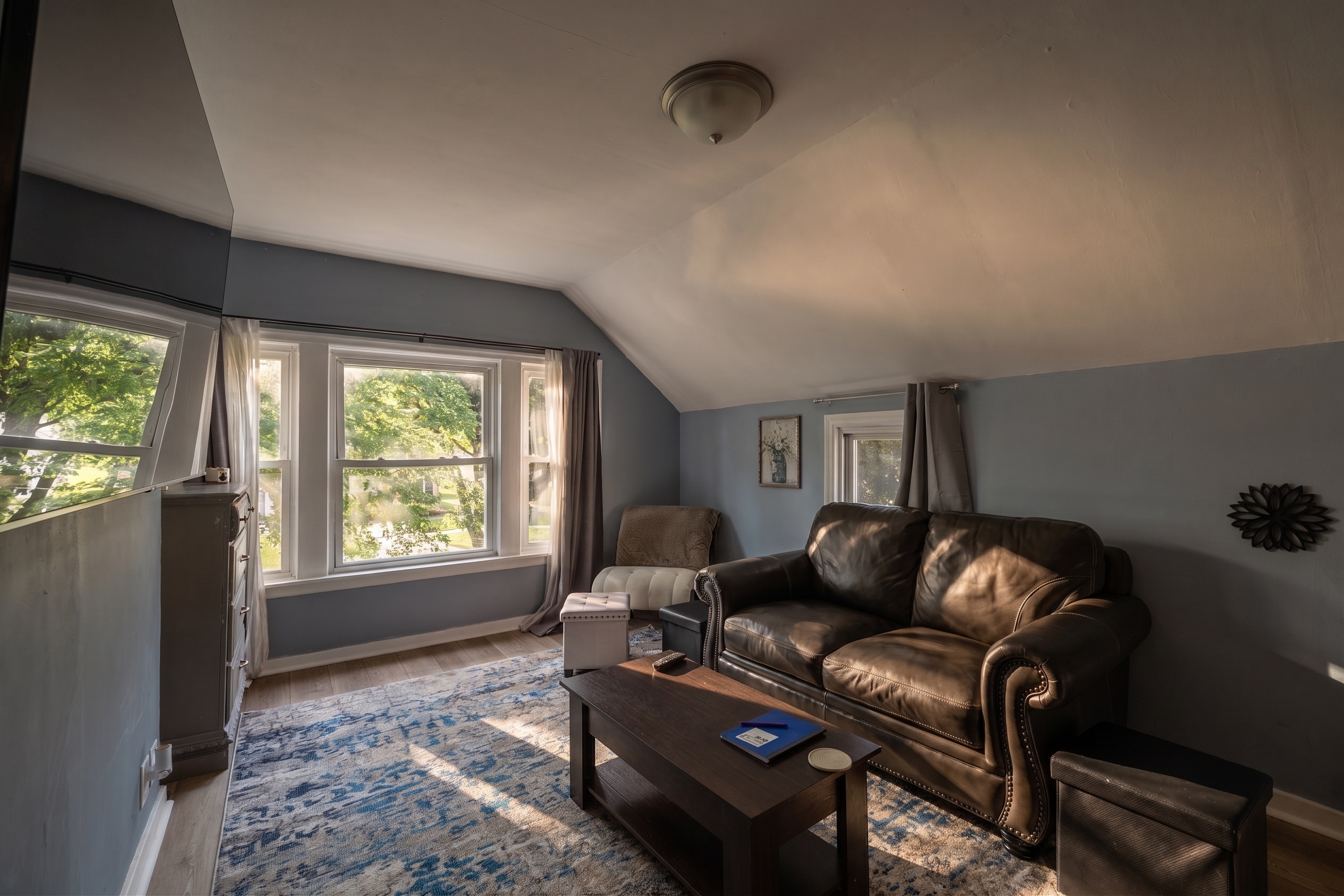
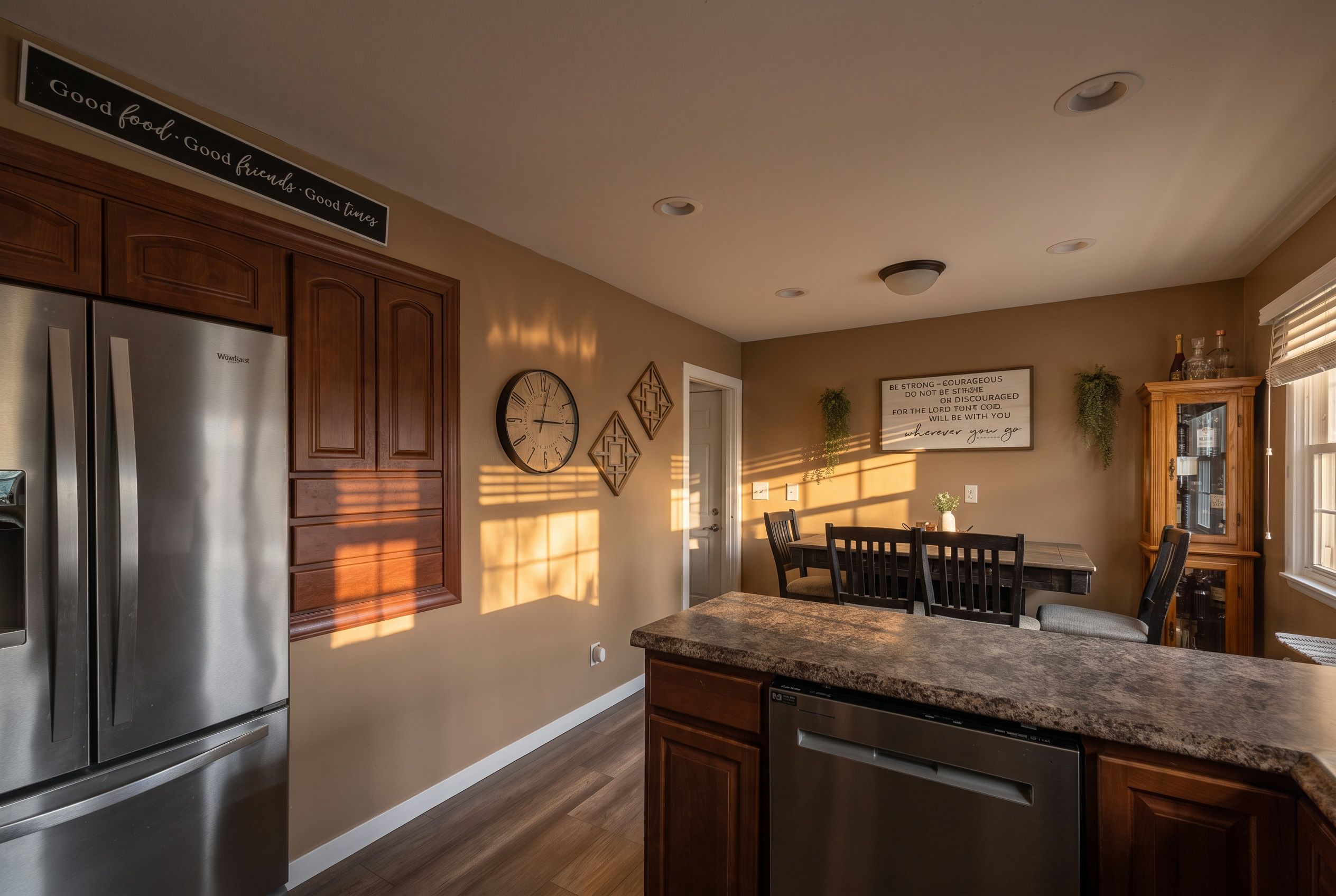
Photography cannot change a home’s layout or location, but it can show the space honestly and clearly. Bright rooms, balanced compositions, and photographs that help buyers understand the flow can create more meaningful interest than dark, cluttered, or inconsistent images.
That first online impression is not superficial. It is often the beginning of the buyer’s decision about whether the home deserves a closer look.
Seasonality affects the buyer pool
Clear Lake has a genuine seasonal rhythm. Spring and summer can bring more activity, especially for homes that appeal to lake buyers, second-home shoppers, or people planning a move around the school calendar.
That does not mean fall and winter are dead. Serious buyers move throughout the year. But the mix may change, and some homes naturally attract more attention during a particular season.
A lake-access property, a quiet in-town home, and an income-producing duplex may each have different timing patterns.
Some homes serve a narrow audience
A specialized property may take longer simply because fewer buyers are looking for exactly that combination of features.
That could include:
- A larger home at the upper end of the local price range
- A property with extensive acreage
- A home requiring significant updates
- A duplex or investment property
- A lakefront or lake-access home
- A house with an unusual layout
- A property with limited parking, stairs, or accessibility features
A smaller buyer pool can mean a longer wait for the right match. That is different from having no value.
A longer DOM is not automatically a red flag
When buyers see that a home has been listed for 90, 120, or more days, it is reasonable to become curious. It is not necessarily reasonable to become alarmed.
Longer market time may reflect an initial price that was too high. It may also reflect a property that is unique, seasonal, tenant-occupied, difficult to show, or waiting for a buyer who understands its potential.
The important question is not simply, “Why has this home been sitting?”
It is, “What has happened during that time?”
Look for clues:
- Has the price changed?
- Has the listing been refreshed with new photography?
- Has the description changed?
- Has the home been temporarily withdrawn and relisted?
- Has the seller completed repairs or improvements?
- Have there been multiple offers that did not close?
- Is the property vacant, occupied, or difficult to access?
- Does the home compare well with newer listings?
DOM is a signal. It is not a verdict.
Questions buyers should ask about an older listing
If you are considering a home that has been available for a while, I would want to understand the story before making assumptions.
Ask:
- What was the original list price, and has it changed?
A price reduction may indicate that the seller has become more realistic, or that the market did not support the original strategy. - How does the current price compare with recent closed sales?
Active listings show the competition. Sold homes show what buyers actually paid. - What feedback has the seller received?
Repeated comments about condition, layout, or price can reveal why buyers have not moved forward. - Has the home had offers that did not close?
A failed transaction may involve financing, inspection, appraisal, or circumstances unrelated to the property itself. - Are there condition concerns?
Ask about the roof, heating and cooling systems, foundation, windows, electrical, water intrusion, and other major components. An inspection remains important, but early questions help set expectations. - Is the home hard to show?
Limited showing windows, tenants, pets, or occupancy issues can reduce activity without reflecting the home’s true appeal. - What would resale look like?
Even if you love the house, consider how its location, features, and condition may affect the next buyer.
You can also browse the Keys to Clear Lake buyer guidance for a broader look at touring, inspections, financing, and offer strategy.
What sellers should learn from the same number
For sellers, 68 days is not a promise or a countdown. It is a benchmark.
A home that reaches that point without strong activity deserves a thoughtful review, not necessarily a panic-driven price cut. I would look at the complete picture:
- Are buyers clicking but not scheduling?
- Are showings happening but offers not arriving?
- Is the feedback consistent?
- Is the home competing against better-presented properties?
- Has the market changed since the listing launched?
- Is the price aligned with recent sales rather than hopeful comparisons?
- Does the photography show the home at its best?
- Are access or timing issues making showings difficult?
Sometimes the answer is pricing. Sometimes it is presentation. Sometimes the home is simply specialized and needs patience. Usually, the best decision comes from looking at several signals together instead of reacting to one number.
The Keys to Clear Lake seller guidance explains how pricing, preparation, professional photography, marketing, showings, and negotiations work together.
The local takeaway
Clear Lake’s current market tells us that homes are moving at a median pace of about 68 days, faster than a year ago, while buyers have somewhat more inventory to consider. With approximately 147 active listings and a median listing price near $443,000, this is a market where context matters.
The continuous thread is simple: days on market is information, not a judgment.
For buyers, a longer listing may create an opportunity to ask better questions and negotiate carefully. For sellers, it is a reason to study the listing’s price, condition, presentation, and buyer response.
When I look at a home in Clear Lake, I do not stop at the number of days beside the listing. I want to understand the whole setting: the street, the floor plan, the condition, the photography, the season, and the buyers who are most likely to see themselves there.
That fuller picture is where the real market story begins.
Explore the Clear Lake area guide or contact Keys to Clear Lake if you would like to talk through what current market data may mean for a specific property.