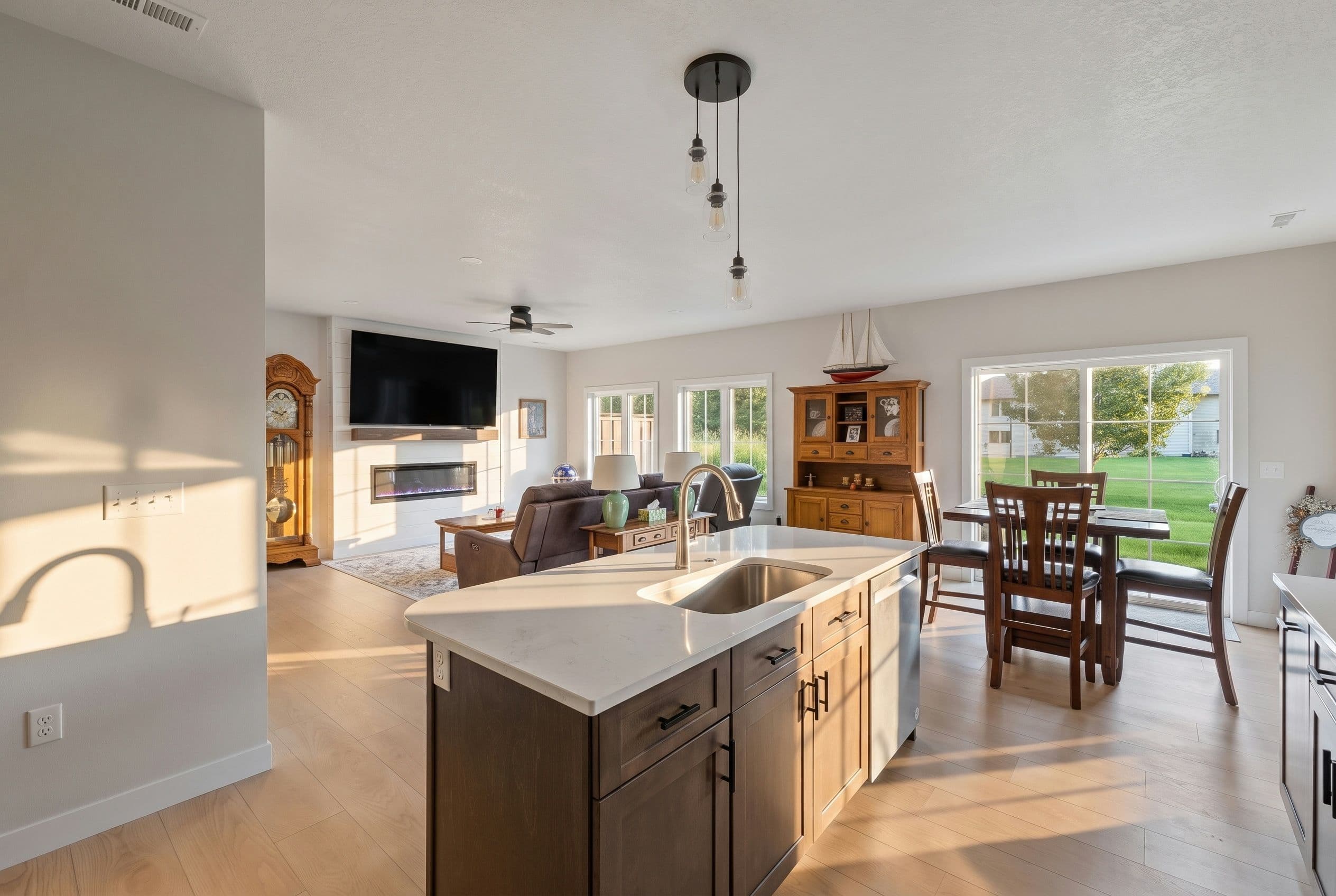
People often think a home showing is mostly about paint colors, countertops, and whether the furniture matches. But when I walk through houses for sale in Clear Lake, Iowa with buyers, the details that stay with us are usually more practical: and more personal.
We notice how the home feels when we step inside. We notice where the morning light lands, whether the kitchen connects naturally to the dining area, how far the bedrooms are from the living room, and whether there is a sensible place for boots, coats, bikes, and lake-day gear.
Those details become part of everyday life. The pretty finishes matter, but the way a home works matters longer.
Start With the Way the Home Flows
Before getting caught up in décor, stand near the front entry and imagine arriving home on an ordinary Tuesday.
Where do shoes go? Is there room to greet guests without blocking the main hallway? Can you move naturally from the entry to the kitchen, living room, or bathroom? If you have children, pets, or frequent visitors, does the layout give everyone enough space to move without constantly crossing through the busiest part of the home?
I also encourage buyers to picture their actual furniture in each room. A living room can look spacious when it is staged with a small sofa and two chairs, but the question is whether your sectional, television, piano, or favorite reading chair will fit comfortably.
Open-concept homes can be especially appealing because they connect cooking, dining, and relaxing. But look closely at the work areas. Is there enough counter space? Does traffic pass outside the main cooking zone? Can someone sit at the island without making the kitchen feel crowded?
The floor plan should support your life: not ask you to rearrange it.
Look at Light, Not Just Windows
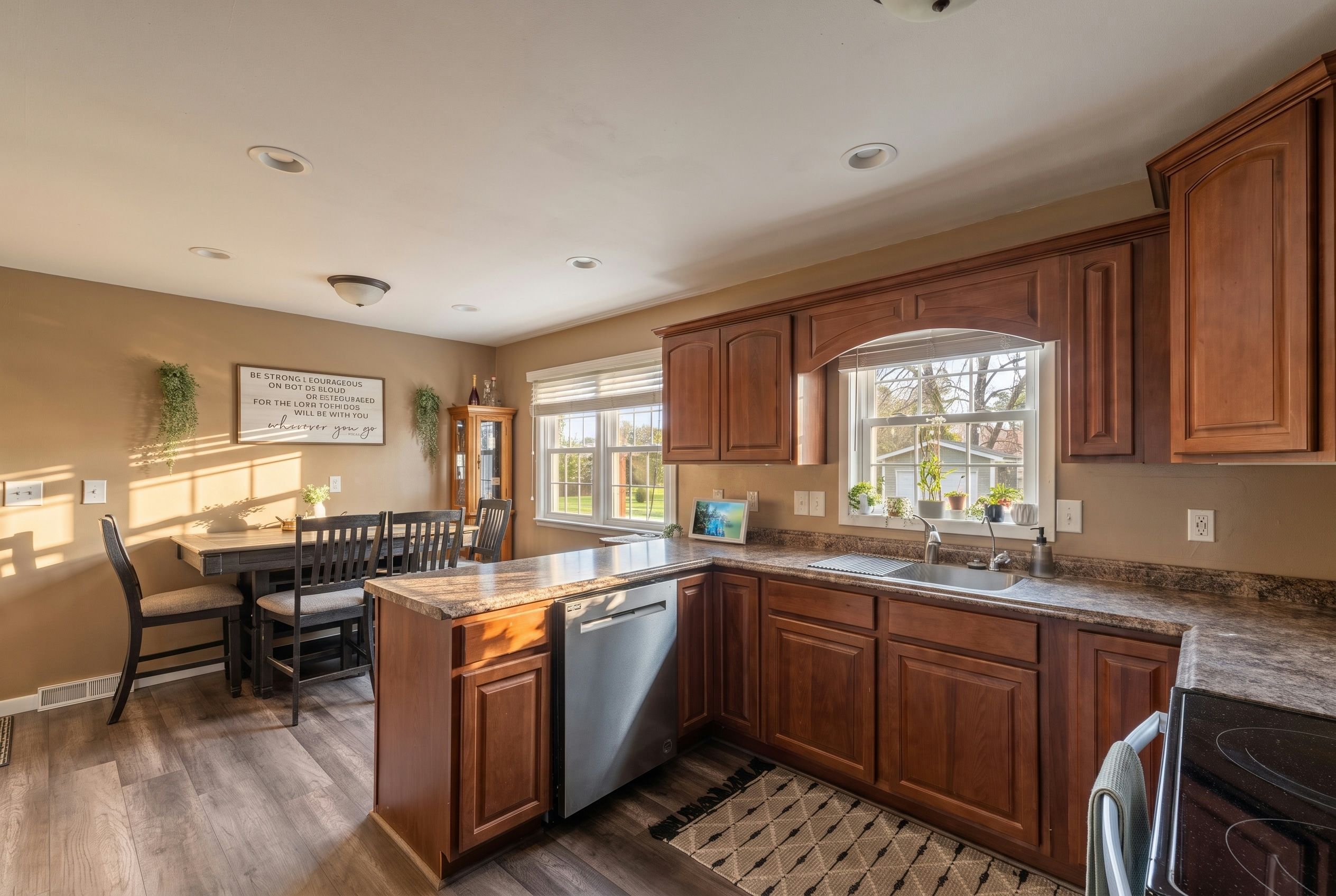
A home may have plenty of windows and still feel dark in the rooms where you spend the most time. During a showing, pay attention to the quality and direction of the natural light.
Which rooms feel bright? Which ones feel shaded? Does sunlight reach the kitchen in the morning, or does the living room receive warm afternoon light? That may sound like a small observation, but it can change how a room feels throughout the year.
If possible, tour at a time when the home is naturally lit rather than relying only on overhead fixtures. Look for signs of condensation between window panes, damaged trim, or windows that appear difficult to open and close. With the seller’s permission, test a few windows and doors gently. They should operate smoothly and close securely.
In an Iowa home, windows also affect comfort and energy use. Drafts that seem minor on a pleasant summer day may feel very different during a January wind. An inspection can evaluate condition more thoroughly, but a showing gives you the first opportunity to notice how the home handles light, air, and views.
Storage Reveals How the Home Really Lives
Staging can hide a surprising amount of information. Closets may look tidy because only a few items are inside. Cabinets may appear spacious because small appliances and pantry supplies have been put away.
Open the doors and look.
Check bedroom closets, bathroom storage, kitchen cabinets, pantry areas, linen closets, basement spaces, and any built-in shelving. Think about where you will keep winter coats, holiday decorations, cleaning supplies, lawn equipment, sports gear, and everything that comes with enjoying Clear Lake through the seasons.
A bedroom does not only need to fit a bed. It needs to hold the things that make the room function.
Ask whether the attic is accessible and whether the basement has had moisture issues. A musty smell, water staining, peeling paint, or white mineral deposits on foundation walls deserve follow-up questions. None of these observations automatically means a home is a bad choice, but they are clues to investigate rather than ignore.
Listen to the House
One of the most useful things you can do during a showing is also one of the simplest: stop talking for a moment.
Stand quietly in the living room, primary bedroom, basement, and backyard. What do you hear? Traffic? Trains? Nearby commercial activity? A loud furnace? Neighboring dogs? Outdoor mechanical equipment?
A home can look peaceful in photographs and feel completely different when the air conditioner starts or evening traffic picks up. If you are considering a lake-area property or a weekend getaway, think about how seasonal activity may change the sound and rhythm of the neighborhood.
If you love a house, consider returning at another time of day or on a different day of the week. Ask your agent what they know about the street, and: when appropriate: talk with nearby residents. The street feel is part of the property.
For more context about life in the area, my Clear Lake guide and Moving to Clear Lake resource can help you think beyond the front door.
Notice the Systems Behind the Finishes
You do not need to be a contractor to ask useful questions.
Find out, if available, the approximate ages of the furnace, air conditioner, water heater, roof, and major appliances. Look at the electrical panel if it is accessible, and notice whether there are outlets where you would realistically need them. In the kitchen and bathrooms, ask permission to run a faucet briefly and check whether drains move water promptly.
Pay attention to unusual sounds, odors, or temperature differences between rooms. Is one bedroom noticeably warmer or cooler than the others? Are supply vents present where you expect them? Does the water pressure remain steady?
These are not substitutes for a professional inspection. They are starting points for better questions.
A home inspection should provide a much deeper review of the roof, structure, foundation, plumbing, electrical system, HVAC, attic, insulation, garage, and exterior. Depending on the property and your concerns, buyers may also consider additional evaluations such as radon, pest, mold, or sewer-line inspections.
Walk Around the Outside
The exterior tells a story that interior staging cannot cover.
Walk the perimeter when possible. Look at how the ground slopes around the foundation. Does water appear likely to move away from the house, or are there low spots where it could collect? Check whether downspouts direct water away from the foundation. Notice standing water, damaged siding, soft wood, roof sagging, or major cracks in the driveway and walkways.
In Clear Lake and throughout North Iowa, drainage deserves attention in every season. Heavy rain, snowmelt, freezing temperatures, and spring thaw all test a property differently. Ask about past water intrusion, sump pumps, basement history, and any known drainage improvements.
Then look at the yard as a place you will actually use. Is there enough room for children or pets? Does the patio or deck feel practical for summer gatherings? Is the outdoor space private, exposed, shaded, or windy?

Give the Garage Its Own Showing
Garages are easy to overlook when the living room is attractive, but they often carry a lot of daily responsibility.
Measure mentally: or literally, if needed: whether your vehicles will fit with enough room to open doors. Is there additional space for bikes, tools, lawn equipment, kayaks, or seasonal storage? Does the garage door operate smoothly? Are the driveway and garage slab free from significant heaving or drainage concerns?
For a detached garage, consider the winter walk from the house. Will the path be easy to clear of snow? Is there adequate lighting? Are outlets available for tools, freezer storage, or future needs such as electric-vehicle charging?
A garage does not have to be perfect. It does need to match the way you plan to use the property.
Think Through Every Season
A showing usually happens during one brief moment. Your ownership will not.
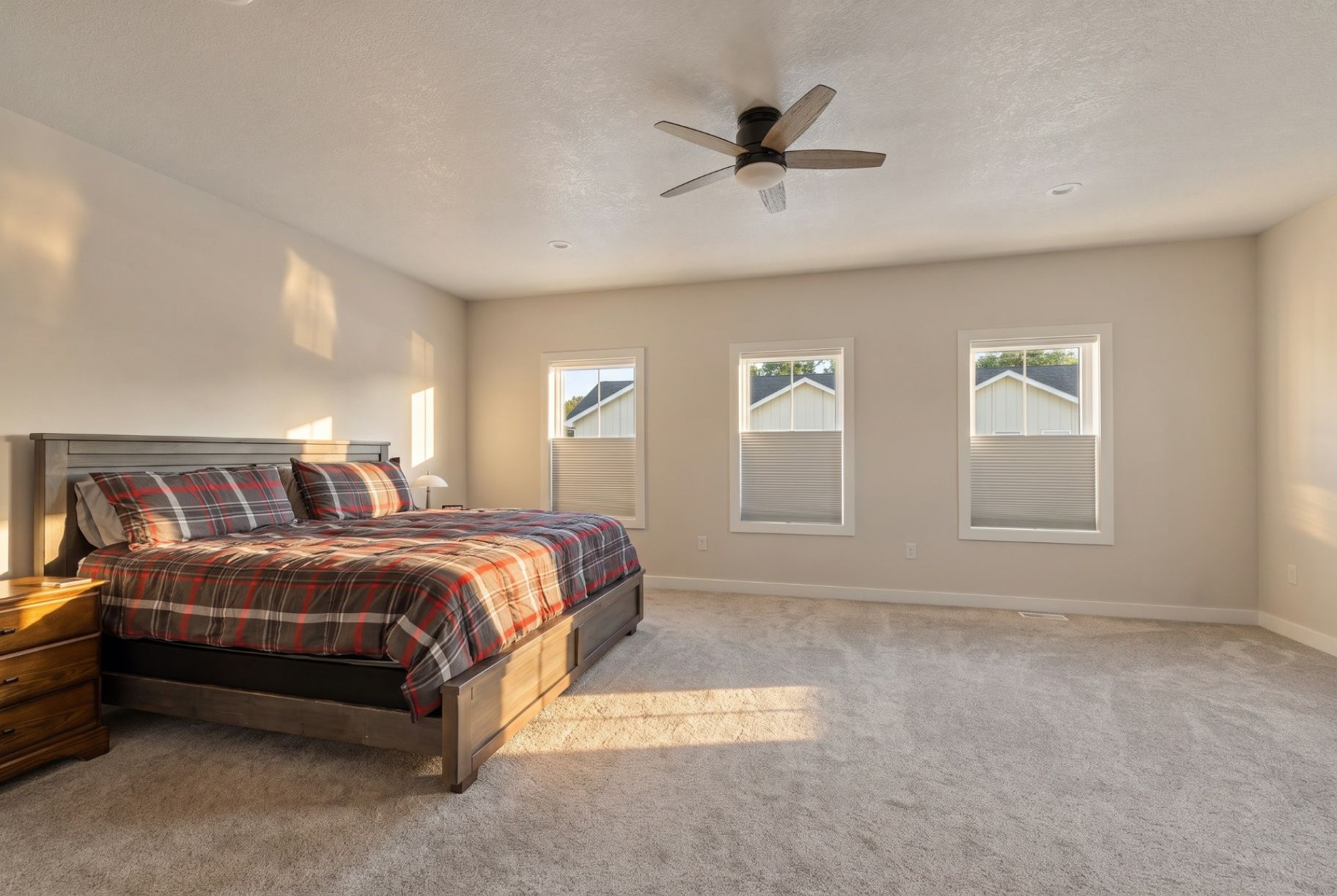
Imagine the home in February, July, and during a week of heavy rain. Is there a place for wet boots and coats? Will the driveway be manageable after a snowstorm? Does the west-facing living room receive strong summer heat? Are there shade trees, awnings, or overhangs? Will the deck, patio, or yard still be useful when the weather changes?
For buyers considering a lake home or vacation property, ask how the home works when it is full of guests. Is there enough parking? Where will outdoor equipment go? Is the kitchen comfortable for more than two people? Does the neighborhood feel lively in summer but quiet enough for the rest of the year?
That continuous thread: from winter mornings to summer evenings: is what turns a house into a workable home.
A Simple Showing Checklist
Before leaving, make a quick note of:
- Layout: Does the floor plan fit your furniture and routines?
- Natural light: Which rooms are bright, shaded, or exposed to strong afternoon sun?
- Storage: Are closets, cabinets, basement, attic, and garage adequate?
- Windows and doors: Do they appear secure and operate properly?
- Mechanical systems: What are the approximate ages of the furnace, AC, water heater, and roof?
- Water and drainage: Any odors, stains, moisture, low spots, or sump-pump questions?
- Garage: Will your vehicles, equipment, and storage needs fit?
- Noise: What do you hear inside and outside?
- Seasonal practicality: How will the home handle snow, heat, rain, and lake-season guests?
- Follow-up questions: What should your agent verify before you write an offer?
You can also browse current Clear Lake listings to see the range of homes and settings available in the area.
The Showing Is the Beginning, Not the Final Answer
A showing should help you decide whether a home deserves a closer look. It should not require you to diagnose every system or make a final judgment about the foundation from the hallway.
Take in the feeling of the space. Look carefully at how it functions. Ask honest questions. Then use a qualified, independent home inspector to evaluate the property professionally before you finalize your purchase. Verify property-specific details: including dimensions, included appliances, utility information, permits, flood or drainage history, and any representations about updates: through the appropriate sources and professionals.
When I help buyers tour homes in Clear Lake, my goal is not to talk them into a property. It is to help them see it clearly: the warm light, the useful kitchen, the quiet street, the possible concerns, and the details that may matter five years from now.
The right home usually feels good: but it should also make sense.