In Clear Lake, winter has a way of arriving in pieces. One afternoon still feels like fall, and a few nights later, the first hard freeze is suddenly on the forecast.
Many homeowners think winterizing simply means turning on the furnace and finding the snow shovel. But a Clear Lake home has to handle more than cold air. It has to manage frozen plumbing, melting snow, lake-effect moisture, ice, wind, and long stretches when outdoor work is no longer convenient.
I like to think of winter preparation as a conversation between your home and the season. Water needs somewhere to go. Warmth needs to stay inside. Exposed pipes need protection. And if the property will sit empty, someone needs to keep an eye on it.
Here is the local checklist I would use before the first serious freeze.
Start Outside: Gutters, Downspouts, and Drainage
Before the leaves finish falling, clean the gutters and check the downspouts. Leaves, twigs, and roof debris can stop water from moving freely, which creates trouble when rain, melting snow, and freezing temperatures begin working together.
Look for:
- Gutters pulling away from the roofline
- Sagging sections where water can collect
- Downspouts blocked with leaves
- Joints or seams that are separating
- Extensions that no longer direct water away from the foundation
Make sure downspouts send water several feet away from the home rather than dumping it beside the foundation. In a Clear Lake winter, that water can freeze, thaw, and freeze again, creating unnecessary moisture around basements and crawl spaces.
While you are outside, look at the grading around the home. If water naturally flows toward the foundation, winter weather will not improve the situation. This is a good time to correct small drainage concerns or ask a qualified local contractor to evaluate anything more involved.
Protect Every Outdoor Water Connection
Frozen water expands, and even a small amount left in an exposed pipe can cause a surprisingly large repair.
Before temperatures stay below freezing:
- Disconnect garden hoses.
- Drain the hoses and store them indoors or in a protected garage area.
- Shut off exterior hose bibs at their interior valves, if your home has them.
- Open the outdoor faucet briefly to let remaining water drain.
- Check for leaks around the shutoff and faucet.
- Add an insulated cover if appropriate for the faucet and its exposure.
Do not assume a newer-looking faucet is automatically safe. The important question is whether water can drain from the pipe leading to it.
If your home has an irrigation system, schedule the seasonal shutdown before the first hard freeze. Irrigation lines often require a proper blowout or drain-down procedure, and that is a job where calling a qualified irrigation professional is usually the wise choice. Do the same for outdoor water features and rain barrels.

Keep the Furnace Ready for a Long Iowa Winter
The first cold evening is not the best time to discover that the furnace will not start.
Run the system before winter settles in. Listen for unusual sounds, check whether warm air is reaching the rooms, and replace the furnace filter according to the system’s requirements. A dirty filter can restrict airflow and make the system work harder.
If the furnace has not been serviced recently, schedule a professional inspection. A qualified HVAC technician can check the equipment, safety controls, combustion components, and overall operation more carefully than a basic homeowner test.
I also recommend checking:
- Thermostat batteries and settings
- Air returns that may be blocked by furniture
- Vents covered by rugs or storage
- Carbon monoxide and smoke alarms
- Any signs of moisture or rust near mechanical equipment
For more guidance about local seasonal living, the Clear Lake Through the Year guide is a helpful place to start.
Find the Drafts Before the Wind Does
Clear Lake winters make small drafts feel much bigger. Walk around the home on a windy day and pay attention to exterior doors, windows, attic access panels, basement windows, and areas where utilities enter the house.
Basic maintenance may include:
- Replacing worn weatherstripping
- Caulking small gaps around stationary window frames
- Adjusting doors that no longer close tightly
- Checking the seal around the garage-to-house door
- Inspecting basement and crawl-space access points
The attic deserves special attention. Look for gaps around light fixtures, plumbing penetrations, ductwork, and the attic hatch. Also check whether insulation appears thin, disturbed, or uneven.
A well-insulated attic helps hold warm air inside the living space, reduces heat loss, and helps keep the home’s upper structure more stable through temperature swings. If you see mold, moisture, damaged insulation, or signs of a larger air-sealing problem, bring in a qualified insulation or building professional rather than treating it as a simple weekend project.
Inspect the Roof, Siding, and Chimney
From the ground, scan the roof for missing or damaged shingles, lifted edges, and areas where debris has collected. Pay special attention to flashing around chimneys, vents, and skylights. These transitions are common places for water to enter.
Look over the siding for:
- Loose or cracked panels
- Open seams
- Damaged corners
- Missing caulk around openings
- Areas where water may be getting behind the exterior
Trim branches that could break onto the roof during a heavy snow or wind event. If the roof is steep, difficult to access, or visibly damaged, do not climb up simply to get a closer look. A qualified roofing contractor can inspect it safely.
For homes with a wood-burning fireplace or stove, arrange a chimney inspection and cleaning before regular use begins. Creosote buildup, damaged liners, loose masonry, and faulty chimney caps are not problems to ignore. Check that the damper moves correctly and that the chimney flashing appears intact from the ground.
The fireplace may be the coziest part of a winter home. It also deserves respect.
Make a Snow-Removal Plan Now
Snow removal becomes much easier when the plan is made before the first storm.
Check your snow blower or other equipment, organize shovels, and store ice melt or traction material where you can reach it without walking through deep snow. Make sure exterior lights work, especially around steps, walkways, and driveways.
For a primary residence, decide who will clear:
- The front walk
- The driveway
- Sidewalk access
- Steps and porch areas
- Paths to utility meters and exterior doors
For a second home, arrange snow removal in advance. A driveway that looks charming under fresh snow can become a real access issue after several storms. Keeping walkways open also makes inspections, maintenance visits, and emergency access safer.
What Changes for a Seasonal or Second Home?
A lake home or seasonal property needs a slightly more deliberate plan because no one may be there when the weather changes.
First, decide whether the home will remain heated or be fully winterized.
If you are keeping the heat on, many homeowners maintain a thermostat setting around 50–55°F to help protect plumbing. Leave interior doors open where practical, and open cabinet doors beneath sinks located along exterior walls so warm air can circulate around the plumbing.
If the property will sit empty for an extended period, talk with a qualified plumber about a complete drain-down. That may involve shutting off the main water supply, opening faucets, draining low points, addressing the water heater, and protecting water remaining in traps and fixtures. The correct process depends on the home’s plumbing design, so this is not the place to rely on a generic shortcut.
Before leaving, also:
- Test the furnace and alarms
- Confirm the thermostat is operating correctly
- Shut off exterior water
- Lock windows and doors
- Arrange snow removal
- Ask someone local to check the property after major storms
- Provide that person with emergency contact information
- Consider a way to monitor temperature or water issues remotely
A periodic local check is especially valuable during deep cold, power outages, heavy snow, and rapid thaws.
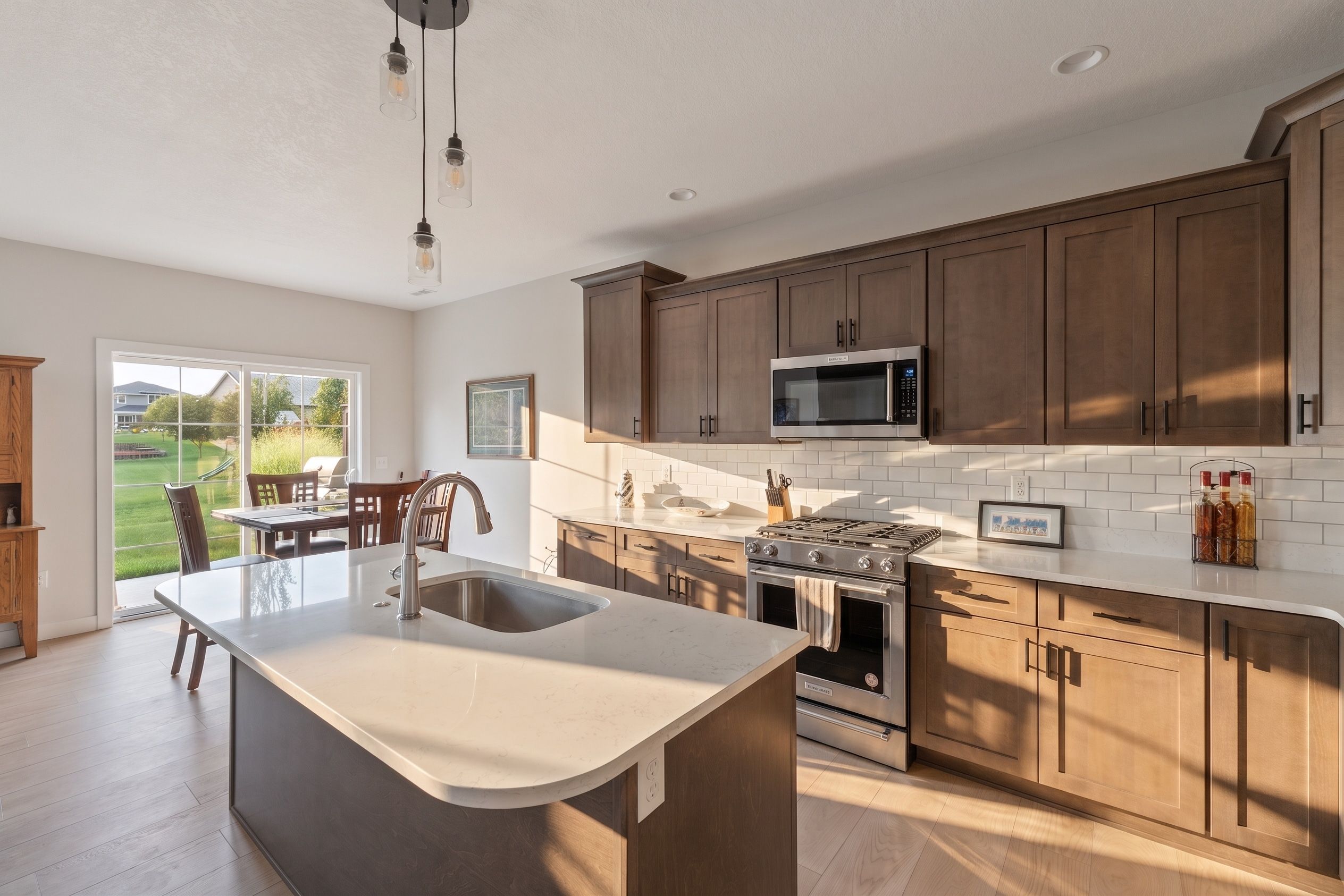
If Your Home Is Listed for Sale in Winter
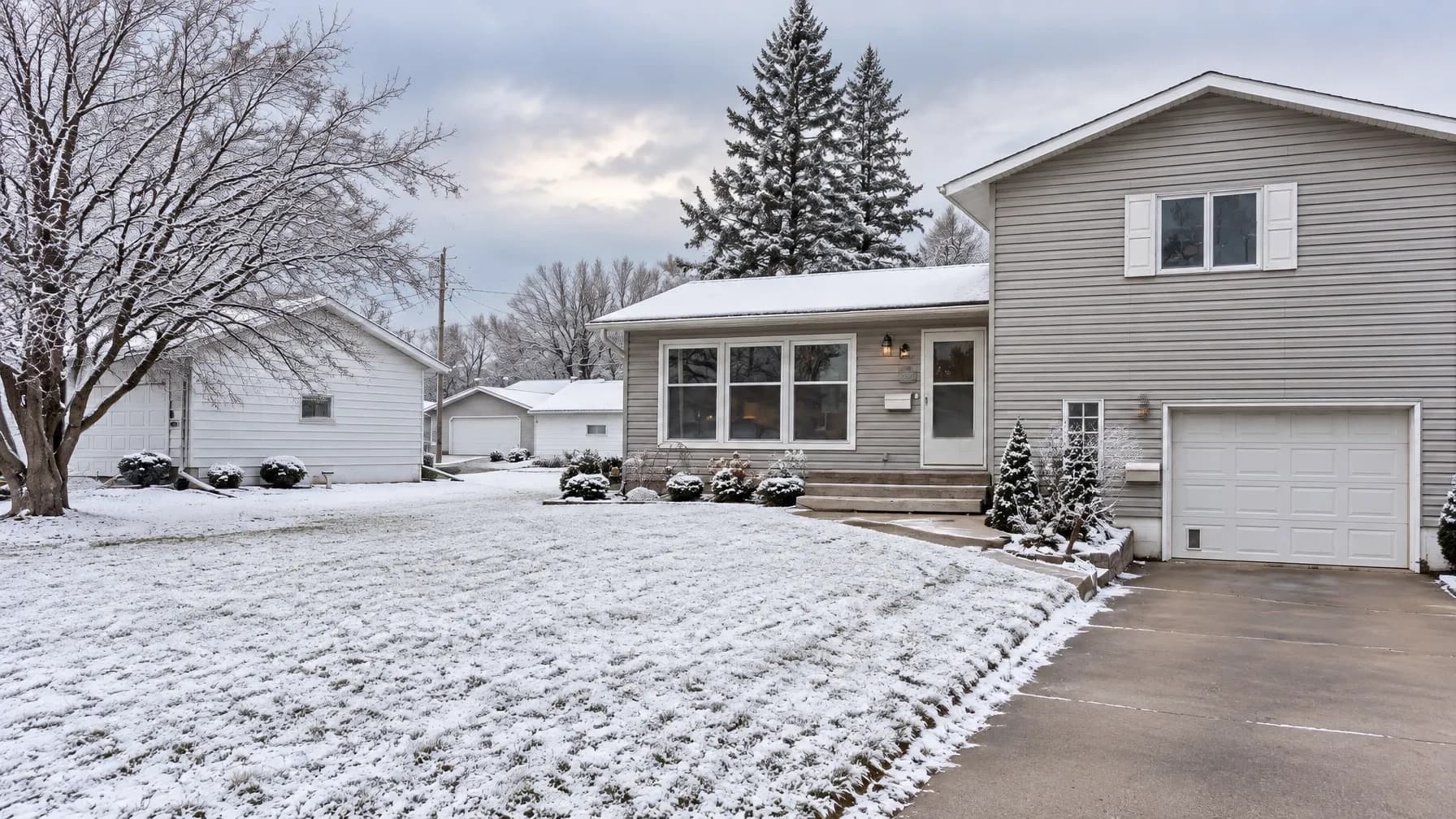
Winter maintenance matters even more when a home is on the market. Buyers notice whether a property feels cared for, even when snow covers much of the exterior.
Before showings, make sure:
- The driveway and walkways are cleared
- Steps and handrails are safe
- The entry is well lit
- The home is comfortably warm
- Winter gear is organized rather than piled near the door
- Windows are clear and easy to see through
- Snow is not blocking exterior features
- The furnace filter and service records are current
- Any known roof, gutter, or plumbing concerns have been addressed
Keep receipts and documentation for professional maintenance. A simple record of furnace service, chimney cleaning, irrigation winterization, or roof repairs can help answer buyer questions with confidence.
Good winter presentation is not about making a home look like summer. It is about showing that the property is prepared, accessible, warm, and well cared for.
If you are thinking about selling, my seller resources can help you think through preparation and timing. And if you are still deciding whether a Clear Lake home fits your year-round or seasonal plans, the Clear Lake guide offers a broader look at the community.
A Final Walkaround Before the Freeze
Before the first hard freeze, walk the property slowly and look at it the way a winter storm will.
Where will water go? Which pipes are exposed? What happens if the power goes out? Who will clear the driveway? Can someone reach the furnace, water shutoff, and electrical panel? Is there anything that would become dangerous under snow or ice?
The best winter preparation is rarely dramatic. It is a collection of small, sensible steps that keep a home dry, warm, accessible, and ready for the season ahead.
And if you are unsure about a roof, furnace, chimney, plumbing system, or irrigation line, call a qualified local contractor. A little professional guidance before the freeze is usually far easier than dealing with the damage afterward.